
Where to find sources on the Industrial Revolution

The Industrial Revolution transformed Britain and much of the world during the late eighteenth and nineteenth centuries through rapid industrial growth, new technologies, urban expansion, and major social changes.
The collections below provide students and researchers with access to valuable material on steam power, transport, iron production, working conditions, and child labour, along with academic articles and historical analysis that help explain the causes and effects of industrialisation.
Primary Sources

Industrial Revolution - Modern History Sourcebook
Fordham University provides a list of links to online primary sources from the modern era.


Contains documentary material of thousands of Londoners, including both plebeians and the officers who manned the institutions of government and social welfare.
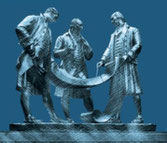
This website provides lots of primary sources relating to major personalities of the British Industrial Revolution. It has painstakingly collected digitised prints, paintings, drawings, objects, buildings, letters, maps, plans, newspapers and other printed materials for use by teachers and students.

The British Parthé News Footage Archive
Find real primary source film footage of major historical events from the late 19th century to the late 20th century.

This collection of historical sources explores the Industrial Revolution through three major areas of change: steam power, transport, and iron production.

A selection of sources on the topic.

Urbanisation in the Industrial Revolution Sources
These sources examine the causes and consequences of that urban growth, including the movement of workers from the countryside, the crowded and unsanitary conditions of industrial slums.
Secondary Sources

An online academic database used by universities worldwide that is a superb resource for History students. To view full articles, you will require membership.

This searches internet sites for academic articles and books. It often only provides one or two pages, but it is often enough to find quotes and bibliographical details.

Search millions of free academic articles, chapters, and theses.