
What was a Temazcal? Aztec steam baths explained
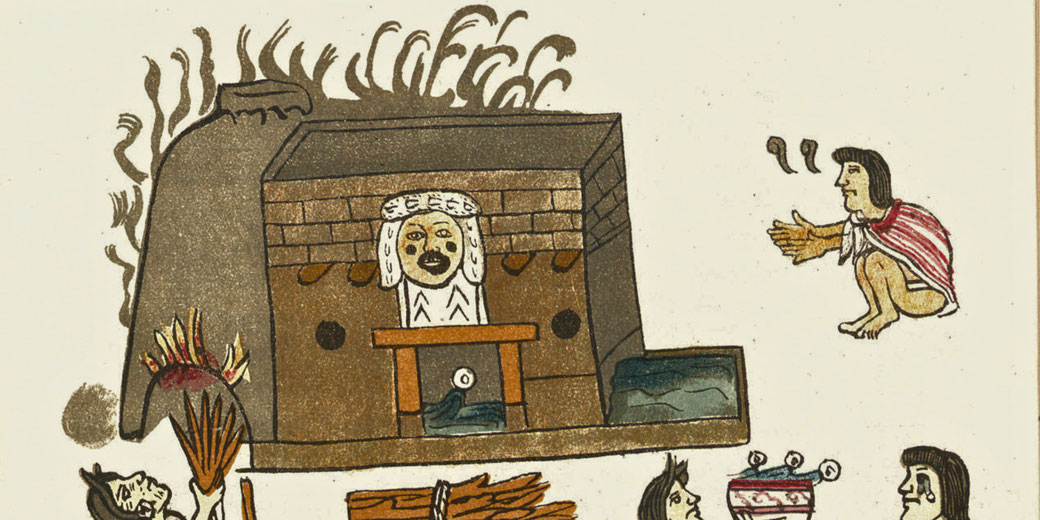
In the world of the Aztec Empire, public hygiene and spiritual purification relied on a specific structure that was based on centuries of ritual knowledge, and many families treated that structure as part of everyday health.
Known as the temazcal, this enclosed steam bath used volcanic heat and medicinal herbs to cleanse the body and treat illness, with each session meant to restore harmony between the natural and sacred.
From the crowded streets of Tenochtitlan to remote villages in the Valley of Mexico, the temazcal provided an essential space for recovery and ritual, followed by quiet reflection.
Role of the Temazcal in Aztec life
Among the many customs that were present in Nahua society, the temazcal was one of the most important parts of daily life and traditional healing, and its use seems to have cut across age, gender, and status.
Built from volcanic stone or packed adobe and formed as a compact dome, the temazcal operated as a steam bath that met physical and ceremonial needs, while people treated it as a sacred space too.
The Nahuatl term temazcalli meant “house of heat”. Its continued presence across modern Mesoamerica showed its long-term value, especially among Indigenous communities who retained ancestral knowledge after centuries of pressure to stop old ways.
Warriors used it to recover after battle, and women entered after childbirth, and many sick people relied on it for treatment when conventional remedies failed.
Archaeologists have uncovered what seem to be remains of temazcals at sites such as Teotihuacan and Tlatelolco, plus the area around the Templo Mayor, often in association with home areas or ceremonial areas.
Often, builders selected materials that were locally available, such as river stones, clay, or adobe bricks, from which they created thick walls that held heat for long periods.
They designed the entrance as a narrow, low passage that forced visitors to crawl or stoop as they entered.
Interestingly, this reinforced the symbolic act of returning to the earth’s womb. At the centre of the interior, workers placed a pit or basin lined with hot volcanic stones, which had been heated outside the chamber before they carried them inside.
Once inside, the stones gave off direct, intense heat. When water mixed with herbs such as epazote, copal, or tobacco leaves hit the stones, it produced a thick steam that spread rapidly through the enclosed space.
Epazote was known to treat internal parasites, and copal resin helped purify the air and repel negative energies.
Meanwhile, tobacco leaves added to stimulate circulation and ease congestion. In some modern adaptations, eucalyptus has been added for its soothing properties, even though it is not native to Mesoamerica and was not used in pre-Columbian times.
How did a Temazcal work?
Usually, the interior remained deliberately small to concentrate the heat and enhance the healing effects, so the space felt enclosed and the steam stayed dense.
Some temazcals were probably private structures attached to family homes, and others operated as shared bathhouses that stood near temples or public spaces.
In many cases, their layout usually followed sacred rules that matched Nahua cosmology.
For example, the dome signified the belly of the Earth goddess. As a result, the temazcal combined architecture and medicine, tied to Nahua cosmology, in a way that made every session both physical treatment and ritual journey.
For medical purposes, the temazcal often became a main place for treatment, and healers used it as a controlled setting where heat and herbs worked together.
Healers known as ticitl usually maintained expert knowledge of native plants and their effects on the human body.
Inside the steam filled chamber, they gave herbal treatments and massage therapy, then monitored patients for signs of improvement.
The intense heat helped increase circulation and open pores, which eased muscular pain, and the herbal steam worked to clean wounds or clear blocked airways.
Often, the treatments lasted for hours and included chants or prayers that guided the process and focused the patient’s attention on recovery.
These sessions sometimes involved diagnosis by observation and formal speech, which combined physical and spiritual assessment into a single process.
Healing rituals held within
Importantly, many Aztecs believed that disease often showed a disruption in the relationship between a person and the sacred forces that governed health and moral balance.
This meant that bathing rituals included sacred components. Before they entered, some individuals fasted or underwent minor purification rituals, then once inside, they recited prayers or offered symbolic items to the gods.
Tlazolteotl was widely seen as the goddess of purification and loomed large in these rites, since she ruled over sin and confession, followed by cleansing.
People who felt spiritually polluted or morally troubled often sought out the temazcal as a place to shed their guilt and re-emerge restored.
After childbirth, women often entered the temazcal as part of their recovery process, guided by midwives who understood both bodily and ceremonial needs of new mothers.
They received treatments to reduce swelling and prevent infection, then restore their energy, and midwives watched for danger signs during the session.
At the same time, the ritual affirmed their survival and the successful conclusion of a spiritually dangerous act.
Midwives were known as tlamatlquiticitl and sometimes used the bath to treat complications such as a placenta that did not come out or excessive bleeding.
Similarly, warriors commonly used the bathhouse to recover strength and purge the ritual impurity that was associated with bloodshed after they returned from conflict.
In both cases, healing depended on more than physical care. It required rebalancing the individual within the cosmic order.
Additional rites outside the bath, such as fasting or bloodletting, reinforced that connection with the gods and reaffirmed their moral obligations.
What happened to the Temazcal under Spanish rule?
In cities like Tenochtitlan, regular use of the temazcal helped maintain public health, and households often treated bathing as part of community life.
Aztec records and Spanish accounts mention the widespread belief in cleanliness as a public duty; since disease could spread rapidly in dense urban areas, people used steam baths to prevent illness and strengthen their resistance to various ailments.
Colonial sources such as Bernardino de Sahagún’s Florentine Codex recorded detailed information about the uses and construction of temazcals, along with their spiritual meaning, which suggests their widespread importance.
After 1521, Spanish missionaries and colonial authorities attempted to suppress the temazcal, because they associated it with pre-Christian rituals and suspected it of promoting wrong behaviour.
Orders issued by colonial governors banned public bathhouses or limited their use, and they feared that it encouraged idleness or sexual misbehaviour.
However, practical necessity allowed the structure to persist, and families kept the bath in private spaces even when public use fell away.
Even as openly religious ceremonies declined under colonial rule, many Indigenous communities continued to use steam baths for hygiene and healing.
In regions like Oaxaca and Puebla, Nahua and Mixtec people maintained the use of temazcals well into the modern era, while Zapotec communities did the same, through which they passed knowledge through oral tradition and private ritual.
Some friars also acknowledged the medicinal value of the bathhouse and recorded it without condemning its function.
Today, the temazcal is still part of cultural life in regions of Mexico and Central America.
Some healers still continue to use the traditional dome shaped structures and apply knowledge that passed down from pre-Hispanic ancestors.
Others have adopted more modern versions and put the temazcal into spa treatments or tourist experiences.
For example, in Oaxaca and Chiapas, traditional healers still conduct spiritual cleansings using temazcals built from stone and adobe, with thatch used for roofing in some regions.
Regardless of the setting, the main ideas stayed the same, and heat, steam, herbs, and planned ritual combined to promote healing.