
The gruesome treatments and macabre practices of Aztec medicine
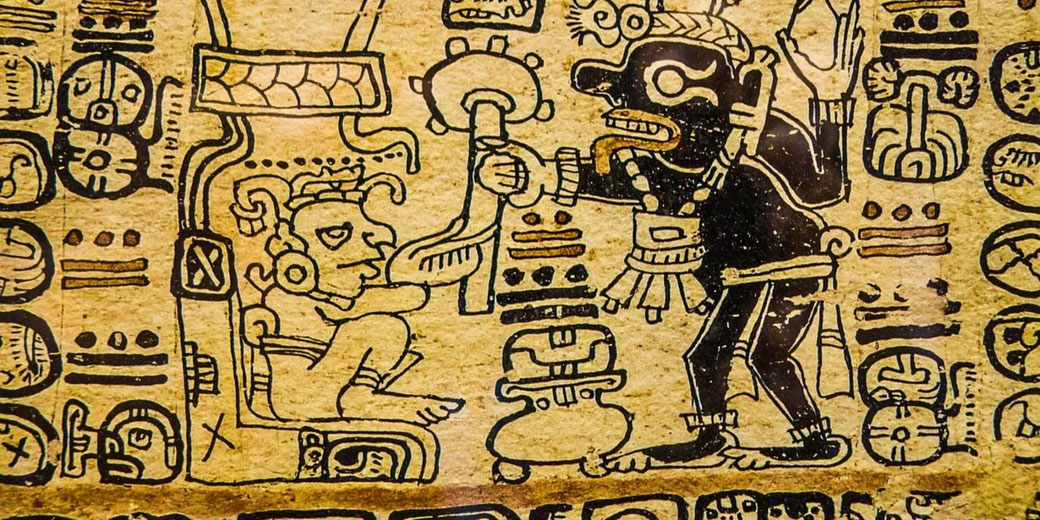
In the centre of Mesoamerica, the Aztec Empire thrived from the 14th to the 16th century. The Aztecs were known for their impressive building achievements and warrior society, and they also practiced a form of medicine that blurred the line between the spiritual and the practical.
They had an extensive knowledge of botany and anatomy, which they used to make effective remedies which healed a wide range of sicknesses among the Aztec people.
However, medical practitioners also combined bloodletting rituals with herbal concoctions, and they used painful bone-setting in ways that would terrify modern people.
Why medicine was a religious concern in Aztec society
The Aztec civilization has become famous for its horrific practice of human sacrifice and its many unusual gods. To many, this culture was extremely religious in ways we find hard to comprehend.
Aztec medicine also drew heavily from their religious beliefs. They believed that the gods played a significant role in a person’s health and had the power to ‘defeat’ disease.
As a result, the Aztecs thought illnesses often resulted from supernatural causes or the anger of the gods. For example, the god Tlaloc was believed to control rain and fertility, which influenced agricultural success and, and in turn, public health.
Additionally, the goddess Tlazolteotl was associated with purification and curing diseases.
The Aztec healer often assumed the role of a spiritual guide who stood between people and the gods. As such, they offered to perform rituals that involved several steps and were designed to win over gods like Tlaloc and Tlazolteotl and to seek their favour to cure diseases.
It appears that through these rituals, the Aztecs believed they could restore balance and health. Many of these ceremonies involved offerings and sacrifices, which were considered vital for effective healing.
In some cases, this involved bloodletting and human sacrifice. For instance, the priests of Xipe Totec performed flaying ceremonies to cure skin diseases, which symbolically shed the old skin so that new health could follow.
In addition, the Aztecs believed that certain illnesses had supernatural origins, caused by curses or evil spirits.
Healers could use special amulets and charms, which were often inscribed with sacred symbols, to protect and cure patients.
For example, the use of jade amulets was very common, as jade was considered to have protective properties. It was thought that by wearing these charms, individuals could ward off evil influences and improve their health.

Aztec development of natural cures
Even though the Aztecs saw health in religious terms, it didn’t prevent them from experimenting with the healing properties of the plants and natural elements around them.
Over the centuries, they had developed a wealth of botanical knowledge for their medical methods. In fact, they had used hundreds of plants for their healing properties, which are still detailed in codices such as the Badianus Manuscript from 1552.
This document, which was created after the Spanish conquest, provides a valuable record of various Aztec medicinal plants and how they were to be used.
Based upon this advice, the Aztecs would combine different plants to create carefully prepared treatments for various ailments.
When someone had a health problem that required surgery, the Aztec healers had a limited array of procedures they could use.
They developed methods for setting broken bones and suturing wounds, and they used tools made from obsidian and other sharp materials.
In the event of serious injuries, they performed trepanation, in which a portion of the skull was removed to relieve pressure or treat head injuries.
These methods were proof that they had some understanding of human anatomy.
Did the Aztecs have doctors?
The Aztecs had no doctors in the modern sense. Instead, like many ancient cultures, they entrusted the healing of the sick to people who combined the work of a doctor with priestly and mystical duties.
Medical knowledge had been passed down through families that had produced generations of healers.
Healers held a respected position in society since they were often associated with the priesthood. Because of their dual roles, they could perform both spiritual and physical healing.
The ticitl were the most well-known kind of healer, and they underwent training in herbal medicine and human anatomy.
Their training had begun at a young age, and they had learnt their skills from older family members or through apprenticeships.
For instance, a well-known ticitl named Tlacaelel was known for his skill in treating wounds and fevers. Moreover, different types of healers specialized in various aspects of medicine.
The temazcalero, for example, operated the temazcal or ‘sweat bath’. This was a place that offered physical purification but also spiritual renewal.
The temazcalero conducted rituals within this ‘bath’, during which they invoked deities to cleanse the body and spirit.
Because of the intense heat and steam, participants felt a clear sense of purification. However, it also appears that the Aztecs had an understanding of the healing benefits of steam.
Additionally, the teixiptla acted as a medium for deities and provided spiritual guidance alongside physical healing.
Furthermore, noble families often employed private physicians who catered to their specific needs. These physicians included Cuauhtli, who was a healer for the royal family, and these physicians had access to rare and effective medicinal plants.
They provided custom treatments and closely monitored the health of their noble patrons. In addition to these practitioners, midwives were known as tlamatlquiticitl and had an important role in childbirth.
Specifically, they provided guidance and support throughout pregnancy and assisted during labor. The midwives' expertise included administering herbal remedies to ease labour pains and prevent complications.
For example, they used the herb zoapatle to induce labor safely.

What sicknesses were common among the Aztec?
Like every society throughout human history, the Aztecs faced a wide range of common ailments. One of the most frequent issues was gastrointestinal problems that were caused by parasites and poor sanitation.
To combat these, Aztec healers used the herb epazote, which was known for its ability to expel intestinal worms. This was effective because of the herb's useful properties, and it could be combined with other plants to enhance its potency.
Another common ailment was skin infections, which could arise from cuts, insect bites, or poor hygiene. The Aztecs treated these with a variety of topical applications made from plants like the maguey and aloe vera.
These plants had natural antiseptic and soothing properties, which made them ideal for treating skin conditions like this.
In severe cases, they performed bloodletting rituals that were mentioned before to appease gods who were believed to cause such diseases.
Fevers and related symptoms often plagued the Aztec population. To reduce fevers, healers used a plant called tepozán, which had cooling properties.
They prepared it as a tea or poultice, which was applied directly to the patient.
How the Aztecs kept their cities clean
In Tenochtitlan, the capital city, an advanced system for managing waste and clean water had been developed over time.
The city had been built on a series of artificial islands in Lake Texcoco, and it had a network of canals that provided drainage and transportation.
This careful layout allowed for effective water management and contributed to the city's cleanliness.
To do this, they had constructed aqueducts that transported fresh water from springs to the city. This provided a reliable source of clean drinking water.
Because of this infrastructure, residents could maintain better hygiene and health.
Also, the Aztecs had implemented a clever method for waste disposal. They had developed a network of canals and causeways to do this.
Waste collectors were known as tlanamacac and transported refuse to designated areas outside the city limits. Through this effective system, they kept the streets and public spaces clean.
