
Queen Ahhotep I: The Egyptian warrior queen of the 17th Dynasty
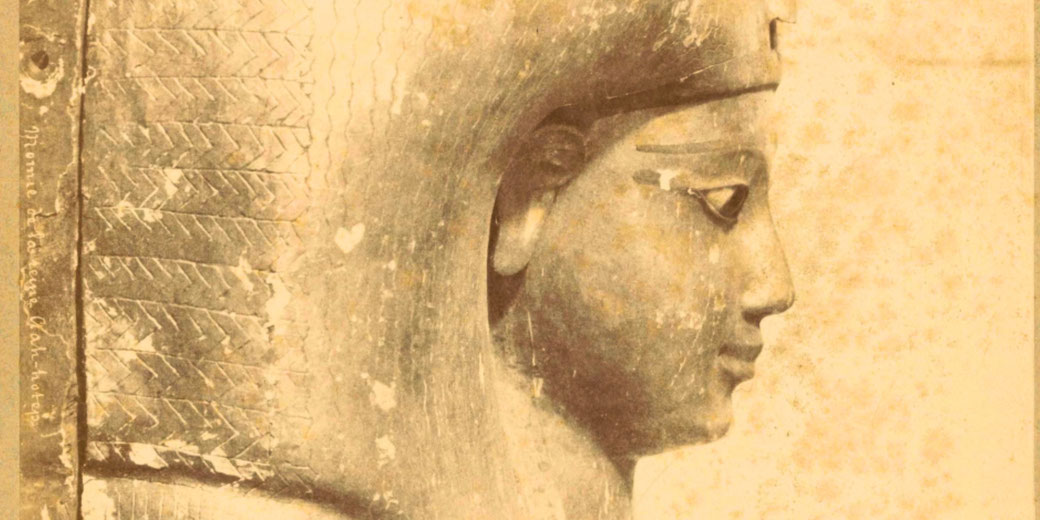
Queen Ahhotep I lived during a time of significant changes in ancient Egyptian history, when native Theban rulers struggled to reclaim the country from foreign control.
She belonged to the royal house of the late Seventeenth Dynasty, which governed Upper Egypt while the Hyksos retained power in the north.
Regardless, her influence during one of the most unstable moments in Egyptian history helped secure a new royal line and contributed to the return of Theban power.
How Ahhotep came to power
Most scholars identify her as the wife of Pharaoh Seqenenre Tao and the mother of Ahmose I, though her relationship to Kamose remains uncertain due to the lack of clear written records.
Nevertheless, Egyptian inscriptions from this period show that Ahhotep held several political and religious titles, including "King's Great Wife," "King's Mother," and "She who unites the two lands."
These appeared in contexts that probably suggest that she governed Egypt during an interregnum when ongoing conflict and questions of succession were being asked under very unstable conditions.
In the aftermath of her husband's death in battle and her elder son Kamose's death before he finished the struggle against the Hyksos, Ahhotep likely acted as regent for her younger son Ahmose I.
When Seqenenre Tao died, his mummified remains showed extensive head wounds inflicted by axes and spears, injuries consistent with combat or execution by Hyksos forces.
Commemorative inscriptions such as the Karnak stela suggest that she played a major role in keeping the royal court steady during a critical period, although no contemporary text explicitly names her as a regent.
Perhaps she was one of the Theban rulers who restructured their armies and renewed their campaign against the Hyksos capital in the eastern Delta.
In particular, finds at a number of sites seems to show that Ahhotep support led military operations.
For example, her name appeared in a tomb discovered at Deir el-Bahari, where excavators uncovered many grave goods such as gold-inlaid axes, daggers and small gold flies.
One of the golden flies bore the name of Ahmose I, which implyied that Ahmose I may have given these awards to her.
In Egyptian tradition, golden flies were awarded to people who showed bravery in battle or service to the king.
Therefore, the presence of such honours in a queen's tomb suggests that she may have either commanded loyalty from soldiers or led Egypt's military response during the final phase of Hyksos occupation.
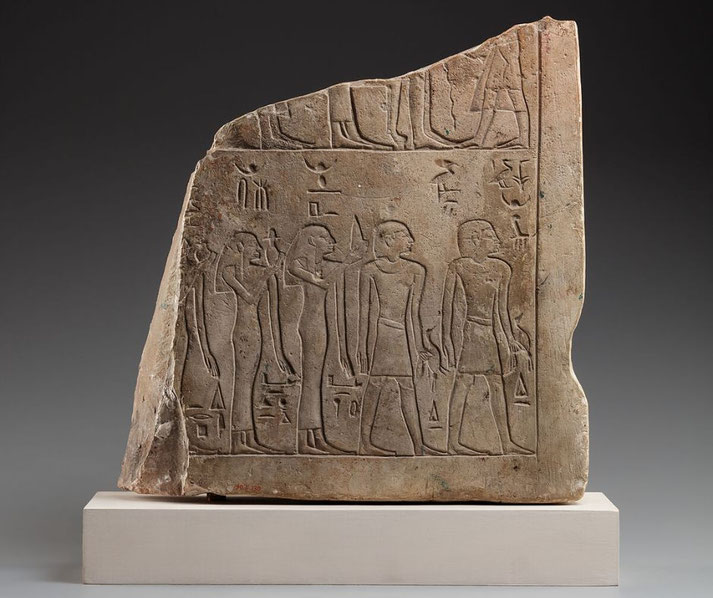
What did Ahhotep achieve?
The historical moment in which Ahhotep served as regent directly overlapped with major campaigns by her son, Ahmose I.
When Ahmose was old enough to rule independently, led the Theban army against Avaris.
He managed to destroy the Hyksos stronghold, and expanded his authority over the entire Nile Valley.
During these campaigns, which culminated in the capture of Avaris around 1550 BCE and reached Sharuhen in southern Canaan, the Theban state required internal unity at home while he was away.
As such, Ahhotep, who was already described in contemporary sources as someone who brought people together, evidently played a key role in securing the loyalty of the southern provinces.
For her part, she secured access to temple networks and handled the resources needed for a long war.
King Ahmose was likely around ten years old when his father Kamose died, according to scholarly estimates, which suggests that the regency with Ahhotep may have lasted close to a decade.
Later sources from the early Eighteenth Dynasty continued to celebrate her achievements long after her death.
A stela discovered at Karnak and commissioned by Ahmose I stated that his mother "pacified Egypt, expelled rebels, and brought back fugitives."
While the wording follows conventional royal formulas, the choice to credit a queen mother with such accomplishments shows her exceptional influence and lasting respect within the royal household.
The Karnak stela (Cairo CG 34003) used unusually direct language to describe her actions, which may reflect efforts to legitimise her authority during a period of male royal absence.
Later commemorative practices continued to associate her name with royal virtue, though direct written records after Ahmose’s reign do not exist, which indicates that she became a point of reference for the authority and virtue of future queens.
What happened to Ahhotep?
The date of her death remains unknown, but her burial objects and mentions after her death suggest that she died after her son's early victories, possibly during the years of reconstruction that followed.
In 1859, Auguste Mariette uncovered a coffin bearing her name in a cache at Deir el-Bahari, along with many funerary items fit for a high-ranking queen.
Gaston Maspero later reopened the tomb in 1881 and attributed it to Ahhotep based on the inscribed artifacts.
Whether the remains found within the coffin belonged to Ahhotep I or to another royal woman of the same name continues to be debated by modern scholars, though the wealth of the burial shows she was important in royal history.
Some Egyptologists distinguish her from Ahhotep II, another queen of the early Eighteenth Dynasty, based on inscriptional and geographical differences.