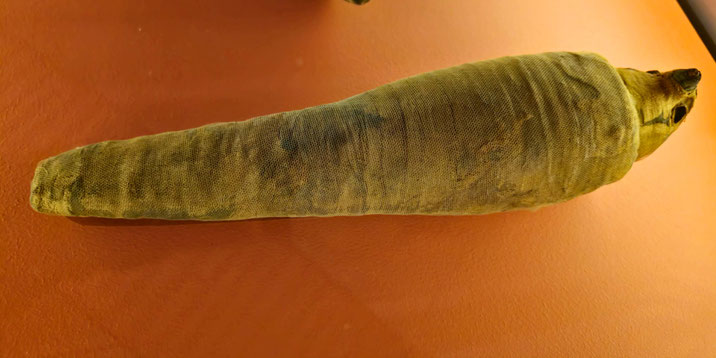
Why did Ancient Egyptians mummify animals?
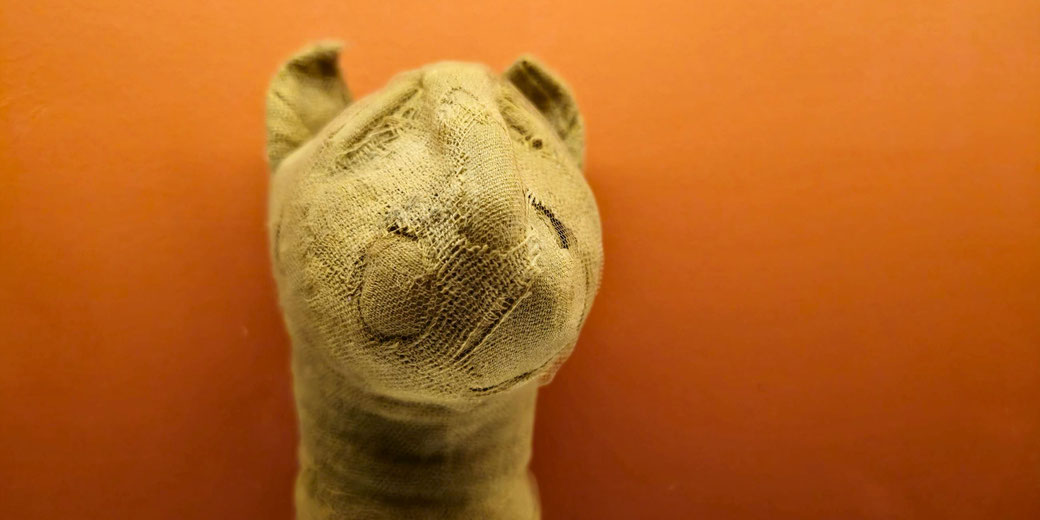
Along the temple roads of ancient Egypt, mourners once carried linen-wrapped cats and hawks to sacred burial sites, along with occasional crocodiles.
Evidence from sites like Saqqara and Tuna el-Gebel, as well as from Abydos, shows that millions of animals were embalmed and buried across centuries, with rituals and methods that became more detailed and widespread over time.
Rather than viewing animals simply as property, many Egyptians believed that specific species carried the presence of powers of the gods, which meant their preservation served religious and personal purposes.
In fact, modern estimates suggest that over 70 million animals were mummified across the Nile Valley, based on calculations from excavated deposits.
Animals as living symbols of the gods
According to Egyptian belief, some animals had more than a sacred status, since Egyptians saw them as physical forms of gods who had chosen to appear on earth in recognisable bodies.
When Egyptians treated these creatures with the same care given to senior officials or royalty, they supported the idea that the gods lived among them and required daily offerings, ritual attention, and burial after death.
Sacred animals, which were selected based on specific markings, were housed in temples under priestly supervision and were observed for signs from the gods.
At Memphis, the Apis bull represented Ptah and later Osiris. It lived within the temple grounds, received daily offerings, and took part in religious processions before eventually being embalmed and buried in the Serapeum of Saqqara, where its sarcophagus weighed over 60 tonnes.
The bull had to meet precise criteria, including a white diamond-shaped mark on its forehead and a crescent-shaped patch on its flank.
The death of each Apis bull was followed by a careful search for its successor, which was required to meet strict physical criteria that matched standards set by the gods.
Priests carefully monitored this transition to keep the connection between the god and his animal form.
Similar cults developed for the Buchis bull of Montu at Armant, where the sacred animal was buried in underground galleries in a parallel tradition.
Cats, which were associated with Bastet, became one of the most commonly mummified species.
In temple cities like Bubastis, their role went further than pest control. As household protectors and symbols of maternal strength, they were believed to share qualities that belonged to the goddess Bastet.
Archaeologists have uncovered cat cemeteries that in some cases contained many thousands of carefully wrapped feline bodies, some of which were placed in bronze containers shaped with decorative features and engraved inscriptions.
Excavations at Bubastis have uncovered large areas of feline burials, and some estimates suggest numbers as high as 180,000, although precise figures remain uncertain due to the scale and preservation of the site.
Herodotus recorded that Egyptians would shave their eyebrows in mourning when a household cat died.
Each mummy showed devotion to the goddess and helped maintain her favour over homes and families.
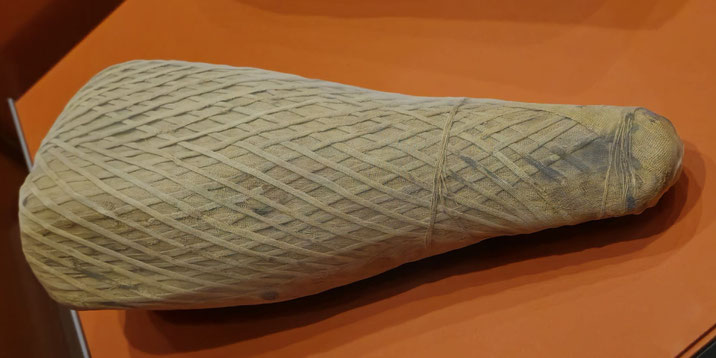
Birds such as falcons and ibises served similar roles. The falcon was often linked to Horus, the sky god and protector chosen by the gods for the pharaoh, and falcon mummies were often buried in temple vaults near Edfu.
The ibis, which was associated with Thoth, god of wisdom and writing, was often raised in temple compounds and prepared for burial by priests and embalmers.
Hermopolis Magna was a major centre for Thoth worship and played a leading role in the mummification of ibises, although sites like Tuna el-Gebel also became prominent during the later periods.
Where falcons showed kingship and strength, ibises offered intellectual and legal clarity to those who sought Thoth’s guidance.
Offerings to the gods
As the religious needs of the population seem to have expanded during the Late Period, the mummification of animals shifted from a temple-based duty into a widely practiced religious act.
Worshippers who could not offer gold or incense to the gods found that a mummified cat, bird, or fish allowed them to participate in religious life, particularly when presented at the temples during festivals or private pilgrimages.
The purchase and offering of animal mummies formed a bridge between individual hopes and the favour of the gods.
Often, temples maintained their own animal-breeding enclosures specifically for this purpose.
Since they often raised many thousands of animals each year, they helped ensure that the supply could usually meet the demand for votive offerings.
For example, the burial tunnels beneath Saqqara may contain what researchers estimate could be over four million mummified ibises, each placed by a worshipper who asked Thoth for success in matters of learning, negotiation, or communication.
Some pilgrims wrote prayers on ostraca or scraps of papyrus and asked for healing or justice, then deposited them alongside the animal mummy.
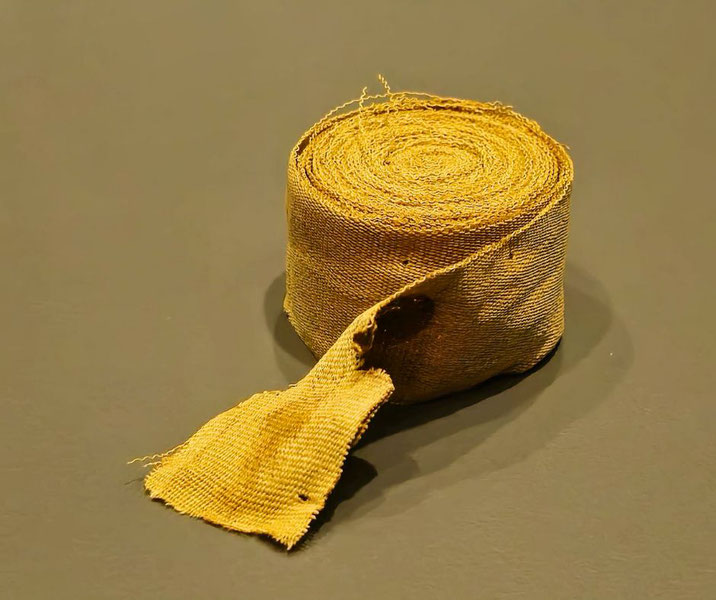
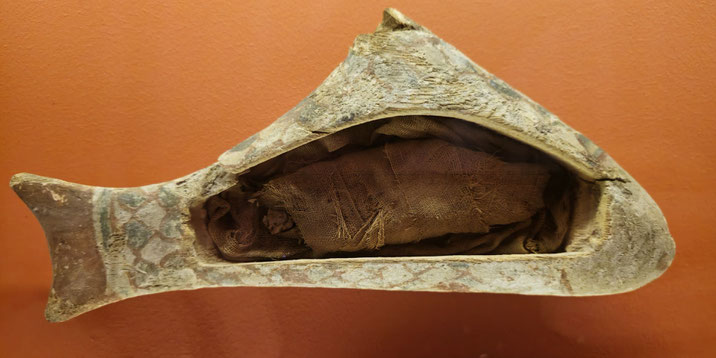
The mummification process included the wrapping of the animals in linen and the burying of them in jars or miniature coffins, and priests sometimes added amulets.
At Tuna el-Gebel, which was associated with Thoth and his baboon companions, similar offerings continued into the Greco-Roman period.
Pilgrims wrote prayers on ostraca or papyrus and accompanied them with an animal mummy placed in a chosen shaft.
Even if the animal’s body was incomplete or hurriedly prepared, the act of offering it still carried meaning.
The success of the temple cults depended on state patronage and on these personal donations, which funded temple staff and reinforced the social role of the priesthood.
Companions in the afterlife
Alongside sacred and votive mummies, another category of animal burials had shown how close human-animal relationships were in ancient Egypt.
Some tombs included dogs, monkeys, gazelles, and birds whose preservation had no clear religious association, but instead showed personal affection.
The animals were often placed near the feet or beside the heads of their owners, with care taken to preserve their features, show lifelike postures, and include items such as collars or toys.
Pet burials appear to have occurred across many social levels, and wealthier individuals could afford more decorated containers or additional inscriptions that described the animal’s name, qualities, or achievements.
A limestone stela for a royal dog named Abuwtiyuw was found near Giza and described his loyalty and bravery, which earned him burial within the sacred necropolis.
Other animals received inscriptions such as “The Brave” or “He Who is Loved,” and this showed how the bond between people and animals continued after death.
Royal tombs occasionally included favoured pets, particularly dogs and gazelles, which were treated with the same funerary respect as human retainers.
According to Egyptian belief, bonds formed in life did not cease in the afterlife.
Instead, the soul of the deceased required companionship and comfort on the journey through the Duat.
Animals that had shared a person’s life were expected to continue doing so after death.
The decision to preserve these animals showed a desire for a sense of continuity and affection, together with emotional security, values often obscured by the size and decoration of temples and pharaonic tombs, but no less central to ordinary experience.
Economic and religious industries
Over time, the animal mummification trade had developed into what appears to have been one of the largest temple-based industries in Egypt, and it provided steady employment for embalmers, weavers, traders, breeders, and guards.
Major temples became centres of production, where large numbers of animals were raised, slaughtered, embalmed, and stored for sale.
Excavations have revealed workshops at Saqqara and at the Bubasteion, along with similar facilities at the Anubieion, where workers prepared linen strips and mixed resins before they wrapped thousands of mummies each month, especially during festival seasons.
By the Ptolemaic period, the demand for animal mummies had grown so high that some were prepared with only small parts, such as feathers, claws, or bone fragments, wrapped in realistic shapes and sealed in labelled containers.
CT scans of several mummies have revealed wooden cores or reed stuffing beneath the wrappings.
Earlier scholars had explained these findings as signs of fraud or decline. However, recent explanations suggest that the physical content mattered less than how sincere the offering was.
As long as it was made seriously and placed correctly, many Egyptians believed that the gods received it.
Temples often relied on this practice to keep their finances stable, since they supplied sacred goods in exchange for donations and in this way expanded their influence and kept regular religious duties in place.
This activity required careful organisation of religious and economic activity, and priestly oversight ensured that offerings stayed acceptable and brought in enough money.
The cult’s popularity peaked under the Ptolemies, when popular religious feeling and Greek patronage kept demand high across Egypt.
As a result, the mummified animal became both a spiritual gift and an item for sale, and it supported belief and livelihood at the same time.