How to survive in a WWI trench: 9 simple rules
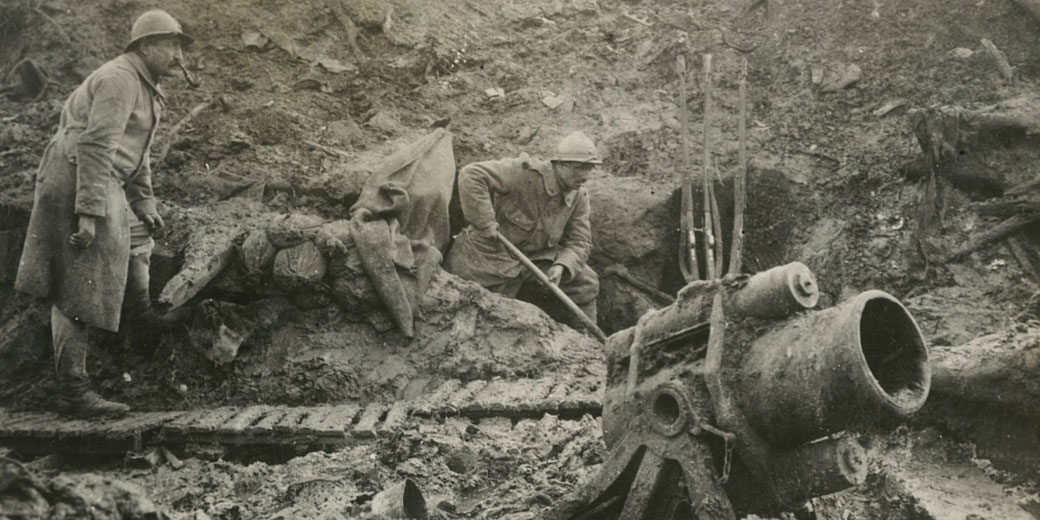
On the Western Front during the First World War, the system of trenches often exposed millions of soldiers to some of the most brutal living conditions in modern warfare.
Between 1914 and 1918, troops from all countries lived through days often filled with constant cold, waterlogged soil, pest outbreaks, hunger, and constant threat of death.
Within that narrow strip of earth between the lines, soldiers did not only fight the enemy. They also fought disease and fatigue that often fed despair.
However, there were a number of things you could do to improve your chances of surviving in such a hellish environment.
So, if you ever find yourself in a World War One trench, make sure you do the following...
1. Wear your Brodie helmet
After the British Army introduced the Brodie helmet in 1915, it became essential for soldiers to survive artillery bombardments, which caused many of the injuries in trench warfare.
Unlike the soft caps previously worn by infantrymen, the steel helmet provided some protection from shrapnel and debris that fell during high-explosive shelling.
It followed the earlier French Adrian helmet and came before the more enclosed German Stahlhelm, which appeared in 1916.
Often, men wore the helmet at all times, even when resting or eating, since bombardments arrived without warning and shell fragments could strike from any direction.
Soldiers customised it with paint or chalk to mark regiments, share humour, or show fear, which meant the helmet became one of the few chances to express themselves within strict military rules.
2. Don't forget a gas mask
Once chemical warfare entered the battlefield in 1915, it added a new form of terror for many soldiers that stayed long after the first gas clouds had passed.
Gas could creep quietly into trenches and dugouts, and it could kill or seriously injure those who were caught unprepared in many sections.
Initially, soldiers had used improvised methods to protect themselves, such as cloth soaked in urine or bicarbonate solution.
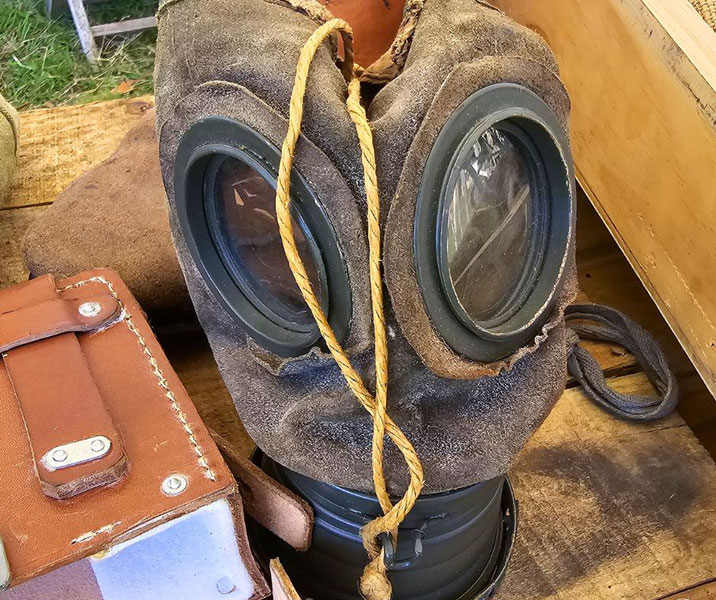
Later, purpose-built gas masks became standard issue in most armies.
By 1916, most soldiers had begun to carry a small box respirator at all times.
Often, they practised wearing it during drills so they could put it on quickly at the first sound of a gas alarm.
The mask restricted breathing and fogged easily, and it still offered the best chance of surviving attacks that involved phosgene or mustard gas.
The first large-scale chlorine gas attack occurred at the Second Battle of Ypres on 22 April 1915, and by July 1917 the German Army had introduced mustard gas during the Third Battle of Ypres.
New chemical mixtures appeared over time, so soldiers stayed under constant threat and anxiety often stayed high even during quiet periods.
3. Stay warm and dry
Rainfall and a mix of snowmelt and rising groundwater regularly turned trenches into cold, knee-deep mud pits, with damaged drainage ditches, which often worsened the flooding.
During the winter of 1916–1917, soldiers often faced some of the worst conditions of the war, as temperatures dropped and water froze solid around their legs and equipment.
At the same time, the low-lying terrain ensured poor drainage, and many dugouts could flood within hours.
The freezing temperatures came after the final phases of the Battle of the Somme, which had already devastated the land and left much of it cratered and churned.
To cope with the cold, men layered themselves with woollen garments and greatcoats, often with scarves wrapped tight.
Even so, their clothes often became soaked within hours of duty. Sometimes, they built fires deep in dugouts to create some warmth, so smoke, which could give away positions, also risked choking men underground.
Whenever possible, soldiers rotated to reserve lines to rest, dry their gear, and recover from the cold and wet.
Still, many returned to the front with trench foot and, in some cases, frostbitten hands and feet, and many of them had never fully dried out.
4. Take care of your feet
Without regular care, feet broke down quickly under trench conditions. Soldiers often stood in waterlogged boots for hours, often without movement, which cut off circulation and could cause tissue to die.
Trench foot was a common and serious condition and led to numbness and swelling that often ended in infection.
In the most serious cases, it resulted in gangrene and required amputation. During the winter of 1914–1915 alone, over 20,000 British soldiers had required treatment for trench foot.
To limit cases, officers enforced strict hygiene measures. Men removed boots and dried their feet, then applied whale oil, which helped protect the skin from long wetness.
This routine slowed the spread of trench foot, since it depended on supplies of oil and spare socks that reached the front.
When shortages occurred, some men had to go without, since they knew that their feet could begin to rot before help arrived.
5. Check for lice ... all the time
Lice bred in almost every layer of clothing that men wore at the front. Their eggs lodged in the seams of shirts and trousers, as well as the undergarments beneath them, and hatched quickly under warm and unwashed conditions, which meant that lice problems rarely went away.
Soldiers scratched until their skin bled, and many developed trench fever, which caused high fevers and severe joint pain.
In 1915, army doctors identified the disease as being caused by the bacterium Bartonella quintana, which lice spread through broken skin.
To deal with the lice, soldiers relied on short-term solutions. Some burned them with candle flames along their shirt seams, and others shaved their bodies to reduce hiding places.
Delousing stations behind the lines offered a few days of relief, as uniforms were steamed and bodies were scrubbed, but lice usually returned before the next rotation.
As a result, lice stayed a daily annoyance that affected sleep and hygiene, which then weakened overall health.
6. Don't drink that water
Often, the only available water collected in shell holes or flooded trenches, where it mixed with mud and a foul mix of decomposing bodies and waste.
Drinking from such sources posed a serious risk, since it carried diseases like typhoid and dysentery, both of which spread rapidly in filthy conditions.
Soldiers became desperate during shortages, but officers repeatedly warned them against drinking contaminated water.
Instead, the army supplied water in petrol tins and large tanks that transport units hauled to the front.
Before distribution, water was treated with chemicals to kill bacteria. From 1916 onward, chlorination became a standard method for cleaning water, but the treatment left a bitter taste that most men found unpleasant.
Even so, it was the safer option, so soldiers drank it anyway, and they often held their noses or mixed it with tea to hide the flavour.
7. Eat your assigned food, even if its inedible
Meal options in the trenches stayed limited and often unpleasant. Soldiers ate preserved food such as bully beef, hard biscuits, tinned stew, and jam.
It kept them alive, and it lacked freshness, flavour, and variety. Hard biscuits had been known to soldiers as "dog biscuits" and often required that men soaked them in tea before they could eat them.
During offensives, they sometimes went without food for long periods, since resupply under enemy fire posed too great a risk.
Parcels from home provided occasional treats: cakes, fruit, chocolate, or tea, which men often shared with their section.
Yet for most of the war, daily food came from basic army rations, which might include four ounces of bacon and one pound of bread or biscuit, plus tea sweetened with sugar and jam.
Rats sometimes got to it first, and they chewed through packages and spoiled supplies, so men ate what they could, when they could, since they knew that hunger would only worsen during the next attack.

8. Learn to trust your fellow soldiers: you'll need them
To survive the trenches, soldiers depended on one another. They shared sentry duties and rotated rest shifts, then helped carry friends who were wounded out of danger.
In many units, veterans guided new recruits, and they taught them how to identify incoming shells, how to avoid sniper fire, or how to stay calm during bombardments.
Trust developed through necessity rather than choice. In the British Army, many early battalions had formed under the "pals battalion" scheme, where groups of friends and neighbours enlisted together, fought together, and often died together.
Friendship strengthened during long periods of waiting. Soldiers sang, gambled, or told stories to distract themselves from fear.
When attacks came, they relied on each other for courage and support. Those bonds, built under fire and reinforced by shared hardship, became the most lasting aspect of trench life.
9. Find a way to have a little bit of fun
Humour, creativity, and games helped many men keep their sanity. When not under direct threat, soldiers organised football matches, talent shows, or concerts that used whatever materials they could find.
Costumes came from sacks and props from ration tins, then instruments came from salvaged wire or wood.
In quieter moments, soldiers played cards, carved trench art, or wrote letters to loved ones.
Regimental newsletters published jokes and poems, along with parodies. One of the most famous was The Wipers Times, a mocking trench newspaper that British soldiers produced in Ypres.
Humour about the rats, mud, officers, or trench food gave men the mental space they needed to face another day.
For that reason, fun did not simply provide entertainment, and it often gave men the strength to endure.