
How Henry VII’s financial reforms made the crown rich again
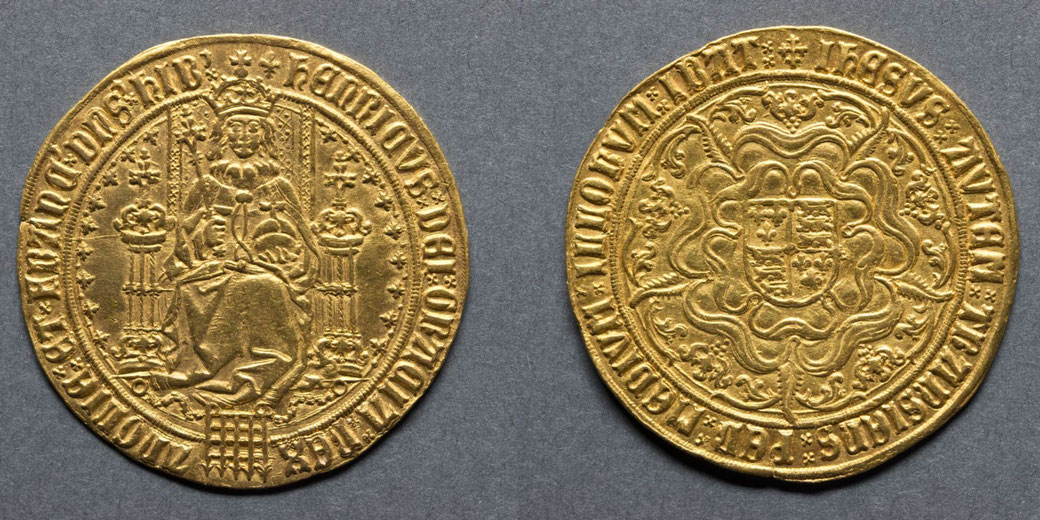
At the end of the fifteenth century, England’s monarchy ran with an empty treasury and limited control over its own income because the Wars of the Roses had left the crown financially crippled, and the constant exchange of monarchs had scattered royal lands and left financial systems in disorder.
The problem of royal poverty in 1485
After he had defeated Richard III at Bosworth in 1485, Henry Tudor came to the throne with a weak claim but a clear objective: to stabilise royal authority by restoring the crown’s financial independence.
He was crowned on 30 October 1485 and soon after his accession, Henry had identified the treasury’s continuing shortfalls as a threat to the survival of his regime.
He had moved quickly to centralise financial control under his close supervision, often doing so through the Chamber.
He had generally chosen not to rely on the old Exchequer system, which had remained slow and wasteful.
Instead, he improved the Chamber within the royal household, and he turned it into the centre of royal finance, as trusted clerks, who included Reginald Bray, typically tracked income, approved payments, and reported directly to the king.
Bray also later played a central role in the Council Learned in the Law, securing his position as one of Henry’s most powerful officials, as Henry often oversaw the flow of funds personally and ensured that royal revenue increased without parliamentary interference.
Sources of royal income under Henry VII
To increase income further, Henry focused on recovering and improving the management of crown lands, which had been heavily diminished by the generous grants of earlier kings to noble favourites.
He reversed this pattern through legal tools such as attainders, forced forfeitures, and inheritance claims to recover former royal estates.
Over the course of his reign, he passed over 130 attainders, though he occasionally reversed them to reward loyalty, with approximately 46 being cancelled.
Many of these lands had been poorly run or leased under unprofitable terms, but Henry placed stewards and surveyors on the ground who reviewed leases and collected the full rent.
For instance, estates previously held by the Earl of Warwick were returned to the crown and placed under stricter oversight.
In addition, he had appointed receivers who had submitted regular reports to the Chamber, ensuring that local income matched expected totals.
By the end of his reign, the king had raised income from crown lands to approximately £42,000 annually, by some estimates, compared to around £12,000 during the Yorkist period.
In addition to land rents, Henry enforced feudal dues, which were legal obligations owed by the nobility under the remaining of medieval landholding laws.
Under this system, when a noble heir was underage, the king took custody of the estate and extracted its income until the heir came of age, as wardships had become a generally reliable source of income, as did fines for marriages arranged without royal consent.
Henry also demanded payments for the right of livery, which allowed heirs to take control of their inheritance, and for reliefs, which were entry fines for newly inherited estates.
These dues had existed under previous monarchs, but Henry revived and enforced them more systematically.
For example, the wardship of Edward Stafford, Duke of Buckingham, brought the crown approximately £3,000.
How bonds and recognisances controlled the nobility
Additionally, the use of bonds and recognisances became one of Henry’s most controversial tools for both revenue and control.
A bond required a subject to pledge a fixed sum of money that would be lose if they failed to behave in a manner expected by the crown.
Recognisances also forced future obedience by through legal restraints on subjects rather than only formalised existing debts or obligations.
While some nobles entered into such agreements voluntarily to demonstrate loyalty, many were forced under pressure or threat.
The Council Learned in the Law, which had been established in 1495 and was led by Empson and Dudley, ran outside the normal legal system and enforced these agreements with ruthless methods.
Over time the Council issued hundreds of recognisances, and the income they generated, which reached around £35,000 annually by 1505, allowed the king to secure his control without raising taxes.
In turn, the nobility grew resentful, but the financial results spoke clearly. The system maintained order and brought a steady flow of money to the Chamber.
After Henry’s death in 1509, both Empson and Dudley were arrested and later executed in 1510, which showed how unpopular their enforcement had become.
At the same time, Henry adopted a cautious approach to foreign policy and avoided major wars that would drain resources, as he generally chose not to launch costly invasions and used diplomacy to secure favourable financial outcomes.
For example, in November 1492, he brought an army to France but withdrew after Charles VIII agreed to pay £5,000 a year under the Treaty of Etaples, along with a one-off payment of £742,000.
That agreement gave the crown regular income and preserved peace. He also secured trade agreements, such as the Magnus Intercursus with Burgundy in 1496, which generally increased English exports and strengthened customs revenue.
That treaty, which had been concluded with Philip of Burgundy, also ended a trade embargo Henry had imposed in 1493, as the crown benefited from foreign policy without sacrificing domestic stability or using up reserves.
By the end of his reign, annual customs income had risen to approximately £40,000, although it occasionally fluctuated.
Long-term impact of Henry VII’s financial reforms
When the crown required additional funds, Henry usually asked Parliament, but he did so with careful timing, as he only summoned Parliament when there were clear military threats or exceptional needs, such as during the pretender uprisings led by Lambert Simnel and Perkin Warbeck.
Even then, he tied tax requests to specific events and avoided repeated demands.
Meanwhile, he widened the group of people who paid taxes through improved assessments and the targeting of wealthier landowners.
This method generally reduced public unrest while increasing the dependability of subsidies, as key commissioners such as Richard Empson oversaw tax enforcement, though they often drew complaints from those affected.
By 1509, Henry had reformed royal finances, as he left behind a treasury, which reportedly contained over £100,000 in cash and silver plate, a Chamber system that operated as an efficient financial office by the standards of the time, and a network of loyal officials who enforced his policies with efficiency.
His methods sometimes caused fear, and his emphasis on legal pressure created resentment among those forced to pay, yet they achieved his aims, as the monarchy no longer depended so heavily on the goodwill of nobles or frequent parliamentary grants.
As such, Henry’s son, Henry VIII, inherited a powerful and financially secure crown equipped to use influence at home and abroad rather than only a kingdom.