
Coricancha: The most important temple of the Inca Empire and why it still exists
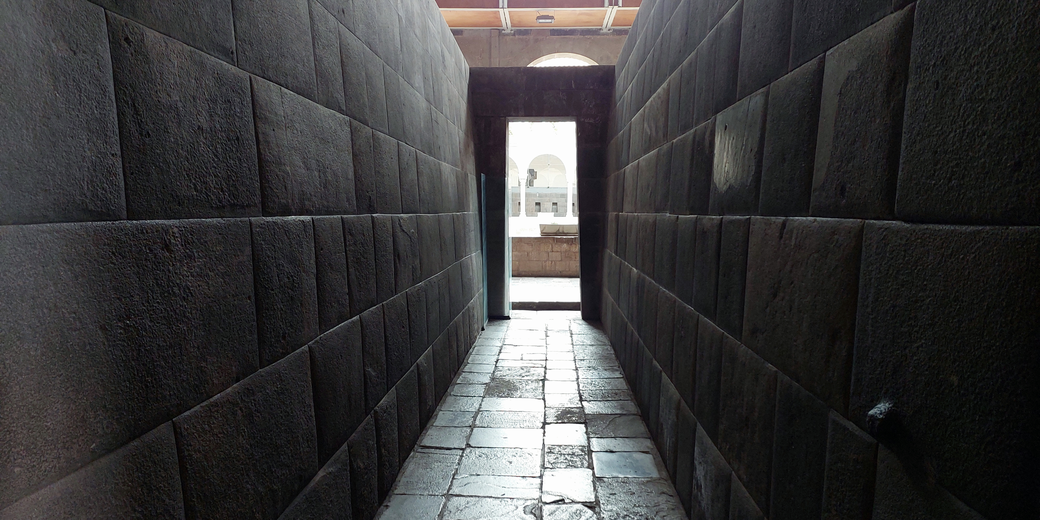
At the religious and political centre of the Inca world, the temple of Coricancha once glowed with walls lined in gold, a sacred structure that displayed imperial power from the heart of Cusco.
Pilgrims often arrived from across the Andes to honour Inti, the sun god, and to witness ceremonies that bound the empire to its sacred order.
Sadly, the Spanish conquest later largely stripped the temple of its wealth and purpose, but the foundations had survived beneath the colonial Church of Santo Domingo, which have left visible traces in the stone.
What is Coricancha?
At the height of the Inca Empire, Coricancha was widely regarded as the most revered religious structure in Cusco, central to the rituals of Tawantinsuyu, though other sites like Pachacamac may have rivalled it in religious importance in different regions.
Its Quechua name was more accurately rendered as Qorikancha and meant "Golden Enclosure," and it showed the lavish materials used in its construction and the political purpose of its design.
According to the beliefs maintained by Inca priests, Coricancha housed some of the most sacred huacas in the empire.
Priests and ritual specialists regularly conducted rites inside its chambers to sustain relations with the gods, coordinate duties among communities, and record the seasonal changes that governed agriculture.
Inside the site, golden panels once lined the walls of the main temple, and statues of gods and ancestral rulers filled its inner sanctuaries.
Royal mummies, which were known as mallquis and which preserved past emperors, were associated with state rituals and were sometimes brought to major temples for ceremonies, though most were primarily housed in sacred estates or palaces.
Spanish eyewitnesses, including Pedro Cieza de León, had reportedly recorded the stunning display of gold and silver, which the Spanish later removed.
When and why was it built?
During the reign of Pachacuti Inca Yupanqui in the mid-fifteenth century, Cusco underwent a dramatic transformation intended to mirror celestial and imperial order.
As part of this program, Coricancha was expanded from an earlier religious structure used by the Killke people into a major centre of sun worship.
The works directed by Pachacuti included both building improvements and centralisation of worship.
To achieve this vision, engineers quarried massive blocks of andesite, which artisans then shaped with tools of bronze, stone, and obsidian.
Builders had placed these stones so precisely that no mortar was necessary, and, as a result, the walls largely resisted movement during earthquakes.
Importantly, the design often aligned with astronomical events, such as the December solstice, when sunlight would shine directly into the Temple of the Sun.
When Pachacuti restructured Coricancha, he established a religious centre that effectively supported his rule.
The emperor’s royal lineage found physical expression in the building’s role, as priests drawn from royal bloodlines often conducted sacred rites beneath its golden walls.
At the same time, annual festivals such as Inti Raymi routinely transformed the site into a gathering place for regional leaders, who witnessed the performance of imperial power.
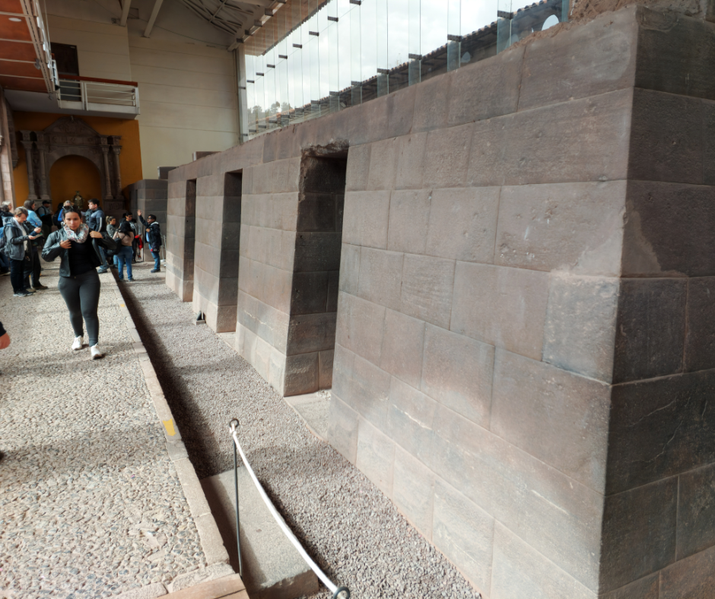
The different parts of the massive Coricancha complex
Across a wide ceremonial area, Coricancha encompassed a variety of temples for worship, specialised rooms for rites, and physical markers that practitioners used to observe the heavens.
The Temple of the Sun was positioned at the heart of the site and generally received the most attention.
Here, priests regularly maintained a sacred fire and performed offerings to Inti in a chamber whose walls had once thrown sunlight back from solid gold sheets.
To the side of the main temple, smaller shrines honoured deities such as Mama Killa, goddess of the moon, and Illapa, deity of thunder and rain.
In each case, the orientation, decoration, and ritual function of the room matched the nature of the god it housed.
For instance, Spanish chroniclers reported that silver adorned the Temple of the Moon to imitate the glow of the night sky, and priests used it during ceremonies held under lunar phases.
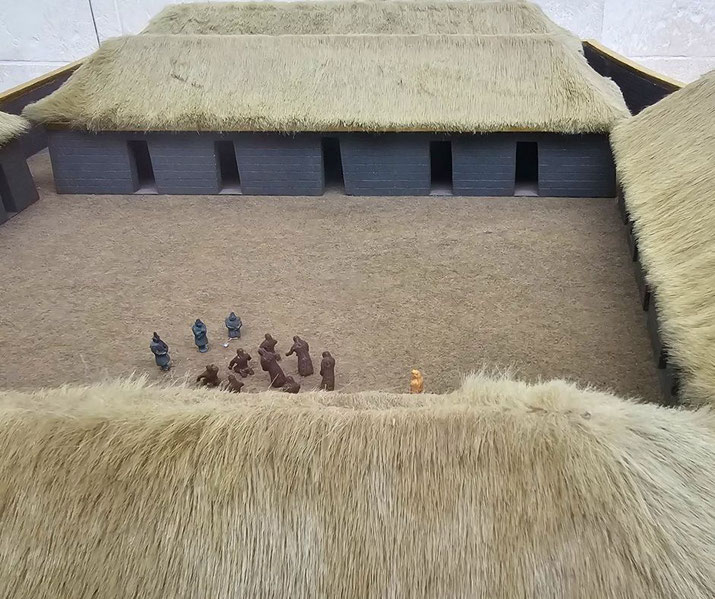
Beside the temple structures, a sacred garden often displayed golden and silver copies of maize, animals, and tools.
According to chroniclers like Garcilaso de la Vega and Juan de Betanzos, these metal objects showed the wealth of the land and the favour of the gods.
As tribute from across the empire arrived in the form of sacred offerings, the garden came to represent the physical bounty of Inca rule.
From the walls of Coricancha, a system of sacred lines, which were known as ceques, apparently extended outward like spokes on a wheel.
Each line connected the temple to huacas scattered across the Cusco Valley, which formed a sacred network that structured ritual duties.
Kin groups, known as ayllus, had responsibility for maintaining ceremonies at specific huacas along the ceque assigned to them.
The Spanish Conquest
After the arrival of Spanish forces in Cusco during the early 1530s, Coricancha became an immediate target.
Reports of golden walls and ritual treasures led the conquistadors to strip the site of all its treasures.
Within weeks, they had removed tons of gold and silver (by some estimates recorded by Spanish chroniclers, more than 700 gold plates each weighing around two kilograms) and melted the metal into ingots, after which they divided much of it among the conquistadors and sent portions to Spain as part of the royal fifth.
As the conquest progressed, colonial authorities assigned the site to the Dominican Order, who began work on a new church.
The construction of the Church and Convent of Santo Domingo began in the mid-1530s and rose gradually over the ruins of the temple.
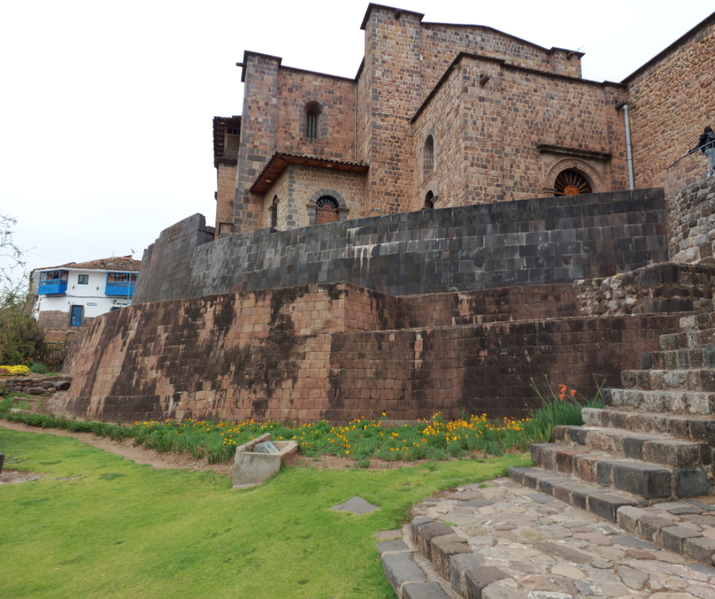
Crucially, the Dominicans retained the Inca foundations, which they used to support their new structures.
That choice had a symbolic aim: to erase Inca religion by building a Christian space on top of its sacred heart.
During later earthquakes, much of the colonial construction suffered serious damage.
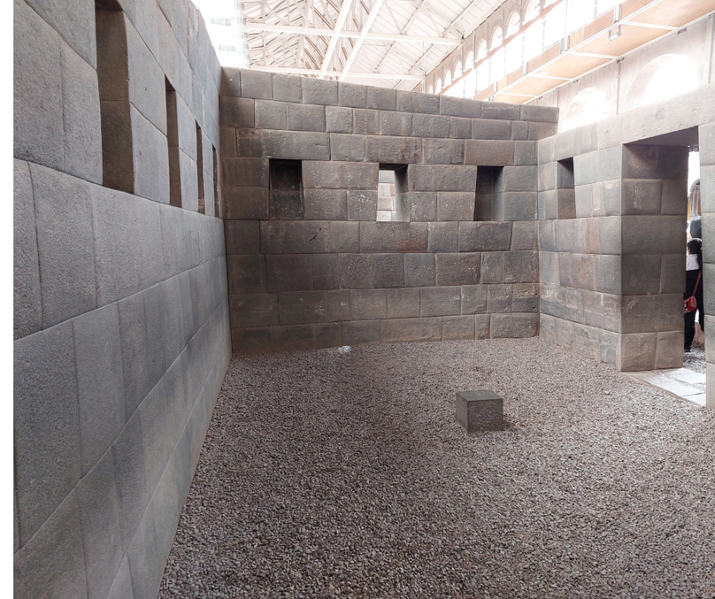
Yet the Inca stonework had withstood the tremors and stood largely unshaken, so visitors could still identify sections of the original temple long after the Spanish church had begun to collapse.
Over time, the sturdiness of the Inca foundations kept parts of the sacred site visible beneath colonial architecture.
Coricancha today
At the present site in Cusco, visitors walk among walls once covered in gold, now bare but still intact.
Stone corridors, trapezoidal niches, and finely jointed masonry reveal the building techniques of Inca engineers who designed for both beauty and lasting quality.
Although the Spanish stripped the site of its sacred treasures, the structure itself continues to bear the weight of its original purpose.
After archaeological work in the twentieth century, excavators uncovered several buried sections of the temple site that included ritual drains, ceremonial courtyards, and architectural elements that had survived beneath centuries of colonial use.
Restoration teams included Peru’s National Institute of Culture from 1971 onward, and stabilised both the Dominican church and the Inca foundations and built on earlier efforts in the 1940s, which ultimately allowed the site to be interpreted as a layered record of conquest and survival.
During annual festivals, locals sometimes include Coricancha in processions that mark the solstices and other seasonal events.
For Cusco’s Quechua population, Coricancha still provides a connection to the past that Spanish conquest never fully destroyed.