
The Aztecs' sophisticated plant medicine, often more effective than European remedies
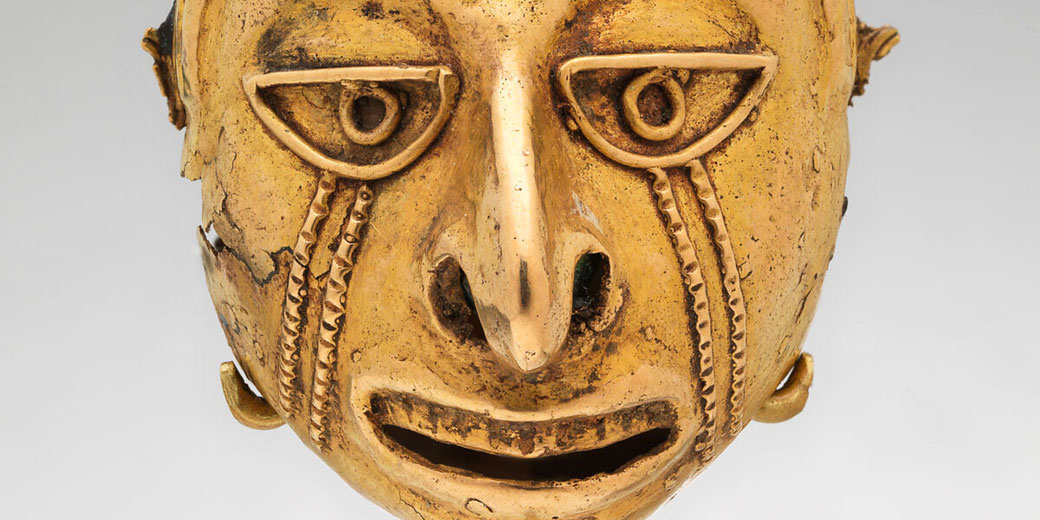
Healing in the Aztec world took inspiration from the environment around them, as healers developed a detailed understanding of medicinal plants by carefully tested their properties and preserved their findings through oral tradition.
This medical practice linked the physical body to the spiritual world.
Traditional Aztec medicine
Aztec doctors, who were known as ticitl, identified more than one thousand useful plant species and prepared them in forms such as poultices, salves, teas, powders, and compresses.
The Badianus Manuscript alone described around 185 distinct species. They selected different parts of each plant, roots, bark, leaves, flowers, or seeds, depending on the required effect.
For stomach disorders, they administered tlalcacaloxochitl (a type of morning glory), which acted as a powerful purgative.
In the treatment of wounds, they used crushed maguey leaves, which contained antibacterial and anti-inflammatory compounds such as saponins.
For pain or mental distress, they relied on peyotl and toloache, both of which produced altered states of consciousness and numbed physical discomfort.
Modern studies confirmed that peyotl contains mescaline and that toloache includes alkaloids such as scopolamine and atropine.
Importantly, Aztec medicine attracted the attention of Spanish chroniclers from the earliest years of colonisation.
Bernardino de Sahagún, a Franciscan friar who worked closely with Nahua informants, recorded numerous remedies in the Florentine Codex, which listed both physical treatments and spiritual rituals.
In healing ceremonies, the use of teonanácatl (sacred mushrooms) often accompanied purification rites for patients believed to suffer from divine punishment.
In addition to these rites, Sahagún described the application of cuapatli resin to reduce inflammation and the use of yauhtli to sterilise wounds and prevent infection.
Ethnobotanists have since identified cuapatli as Ipomoea stans, which still used in Mexico for its calming and anti-inflammatory properties.
How effective were Aztec healers?
In many cases, healers adjusted treatments based on seasonal conditions, the patient’s age, the time of day, and the observed symptoms.
Their approach rested on a Mesoamerican humoral model that linked disease to imbalances between hot and cold or wet and dry.
Therefore, a fever might indicate excessive internal heat and require cooling agents such as chilcoatl.
In the care of internal imbalances, they also recommended dietary restrictions or herbal infusions, depending on whether the patient required warming or cooling effects.
This approach shared clear similarities with classical Greek humoral theories, despite developing independently.
Notably, herbalists kept gardens in both temple areas and noble estates, where they tended a wide variety of medicinal plants.
The bark of cuachalalate, still used in parts of Mexico today, treated ulcers and internal infections.
In measured quantities, the oil extracted from the seeds of the castor bean plant provided an effective laxative.
The latex of the plant, however, is toxic and unsuitable for medicinal use.
For more dangerous substances, they applied careful dosages. Tlapatl, likely referring to a toxic species of Datura, worked as a sedative in small amounts but could paralyse the patient when misused.
How knowledge was passed on, but then lost
Novices learned to identify plants by sight, memorised their medicinal uses, and observed senior ticitl perform diagnoses and treatments.
Some trained in institutions such as the calmecac or telpochcalli, where they studied religious and cultural knowledge that sometimes included medical instruction.
During their training, apprentices assisted in rituals, prepared remedies, and studied both the spiritual and physical dimensions of healing.
In some treatments, the patient fasted beforehand and participated in ceremonial offerings to gods such as Tlaloc or Xipe Totec, especially when illness appeared to involve divine anger or moral transgression.
Following the Spanish conquest, colonial authorities took different approaches to native medicine.
Some permitted herbal remedies when they appeared effective, while others banned any practices tied to pre-Columbian religion.
In 1570, Philip II of Spain issued a decree prohibiting "idolatrous" native customs, which included many healing ceremonies.
In response, many healers changed how they presented their work to match Christian expectations or continued their traditions privately.
Over time, ethnobotanists confirmed the efficacy of several Aztec treatments, which has helped to contribute to the growing field of medical plant studies.
Institutions such as the Instituto Nacional de Antropología e Historia have continued this research in the modern era.