
How Australian First Nations People used firestick farming to help manage the land
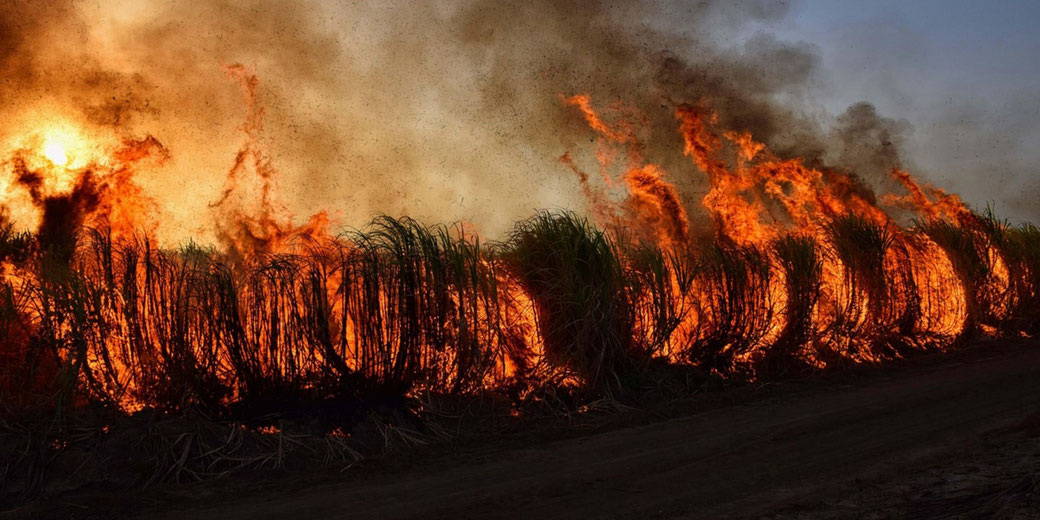
Aboriginal and Torres Strait Islander peoples used fire as a planned method to care for Country and to modify the environment around them.
Known as 'firestick farming', this practice involved the regular, low-intensity burning of vegetation in a pattern that helped new growth and supported animals.
For tens of thousands of years, First Nations groups maintained this system with careful planning and environmental knowledge that communities passed on through oral tradition.
Firestick farming methods
Elders and custodians of Country usually determined the timing, location, and method of each burn according to the season, the condition of vegetation, and the needs of the community.
For example, fires were lit in small patches during the cooler parts of the year, when the moisture in the air and soil kept flames at a manageable level.
These burns consumed dry grasses and leaf litter but preserved the deeper roots of plants, which allowed new growth to happen quickly after the fire passed.
As new shoots appeared, grazing animals moved into the area and made hunting easier without using up the land’s resources.
The process supported plant and animal life, and it changed the terrain over time, because repeated burns prevented the build-up of fuel that could cause severe and uncontrolled wildfires.
The burns also preserved open areas that suited human use and movement.
Grasslands expanded where thick scrub once grew, and open woodlands developed where forests had previously stood.
Early European explorers such as Thomas Mitchell and Ludwig Leichhardt described these fire-managed areas as "park-like" and often did not recognise the careful land care behind them.
These environmental changes became intentional results of a deliberate system of land management that balanced long-term resource use with local needs.
Regional practices for hunting
Knowledge about firestick farming came from close observation and varied by region.
Communities in Northern Australia used fire to maintain the savanna during the early dry season, when wind and humidity made burning safer.
In the temperate zones of southeastern Australia, cool burns helped manage eucalypt forests and grasslands that supported a variety of edible plants and game animals.
Some communities developed six-season fire calendars that guided the timing of burns throughout the year.
Each region developed a unique approach to burning, adapted to its climate, plant life, and topography, yet all methods shared a common purpose: to care for Country and to ensure food and resources.
Fire also helped with hunting, as carefully set fires flushed animals out of thick cover, which made them easier to catch and reduced tracking time.
In many cases, fire allowed hunters to manage where animals fed, moved, and rested.
Instead of chasing prey across wide distances, Aboriginal people encouraged game to return to predictable feeding grounds by maintaining areas of fresh, green growth.
This reduced physical effort while improving hunting success, especially when coordinated with communal strategies.
Yolŋu people of Arnhem Land and Martu people of the Western Desert still use fire in this way and combine traditional knowledge with modern land management programs.
Scientific evidence for cultural burning
Scientific research had shown the long-term benefits for the environment of traditional burning methods.
Studies of charcoal deposits, pollen records, and new growth patterns had shown how firestick farming produced lasting changes in Australia’s vegetation over thousands of years.
The presence of certain fire-tolerant species in grassland and woodland ecosystems suggests that Aboriginal burning helped create the conditions in which those plants flourished.
A 2019 CSIRO study focusing on northern Australia reported that areas using cultural burns had much fewer large late-season fires during the dry season.
Modern fire ecologists now work with Indigenous rangers to bring back cultural burning for fire risk reduction and conservation programs.
After European colonisation began in 1788, settlers removed Aboriginal people from their land and interrupted the traditional knowledge that guided firestick farming.
European landowners thought burning destroyed land and did not see it as care.
Without regular burning, dry fuel built up in many ecosystems, and the risk of large-scale bushfires grew.
In some regions, the absence of fire led to changes in plant types, soil damage, and the loss of animals that had relied on fire-managed habitats.
The modern revival of cultural burning
Efforts to restore cultural burning began in the late twentieth century, when Aboriginal people returned to Country and reclaimed their knowledge through land rights movements, ranger programs, and partnerships with environmental groups.
In Arnhem Land, Martu Country, and Cape York, Aboriginal rangers now manage large areas, and they apply traditional fire methods alongside satellite mapping and scientific tracking.
These programs have reduced bushfire damage, increased plant and animal variety, and helped keep cultural knowledge alive among younger people.
Projects such as the Savanna Burning Program have also helped reduce carbon emissions and meet conservation targets.
Firestick farming never followed a single pattern across the continent. For example, Gunditjmara people in Western Victoria used fire to protect the stone aquaculture systems that supported their eel farms.
Likewise, the Martu people in the Western Desert maintained spinifex country with fire to support bush foods like goannas and bush tomatoes.
Also, Ngadju people in Western Australia also used fire to maintain food sources and to protect culturally significant sites.
In each case, fire management contributed to a system of seasonal movement, food production, and spiritual duty for the land.
Thanks to firestick farming, Aboriginal and Torres Strait Islander peoples developed a long relationship with the land that prioritised the care of Country and the balance needed for survival.
Their approach to fire continues to offer practical solutions for bushfire prevention and for the restoration of ecosystems, and it reminds Australians that Country did better when people worked with it rather than against it.