
How anti-Vietnam War music became a voice of protest
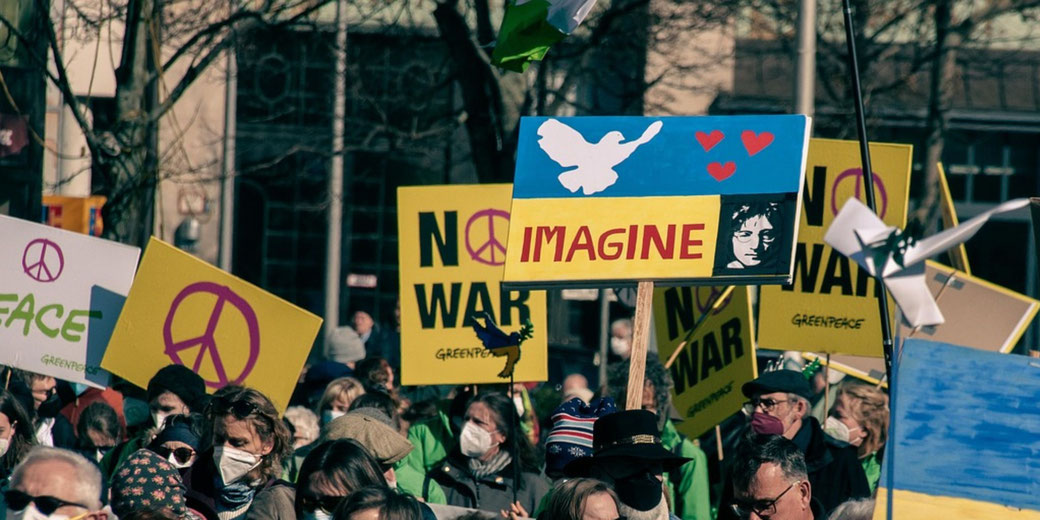
Throughout the Vietnam War, public cricisms did not always come from elected officials or battlefield reports. Instead, it often arrived in the form of music, which reached listeners via radio, filled rallies with shouted refrains, and was later carried into homes across the country on vinyl records.
By the late 1960s, anti-war songs had increasingly become a clear voice of cultural opposition, which turned musicians into public critics, which placed guitars alongside placards in the growing movement against America’s military presence in Southeast Asia.
Early protest songs
Unlike earlier wars that inspired national unity, the Vietnam conflict fractured public opinion and created a growing divide between political leaders and citizens.
As opposition spread from college campuses to mainstream media, many artists began to reject the official explanations for military intervention and highlight the human cost of conscription and combat.
As a result, music became a key method of protest that often expressed grief and demanded accountability, and those effects drew divided opposition into a louder and more organised challenge to government authority.
From as early as 1965, many musicians had begun to attack the war's moral reasons, with folk singer Phil Ochs taking the lead through “I Ain’t Marching Anymore,” which he had released that year and which accused the United States of repeating the same cycle of violence across multiple conflicts.
As he performed the song at several anti-draft rallies during the late 1960s, many young men who faced conscription responded to its criticism of military double standards and political lies.
At the same time, Joan Baez used her reputation as a civil rights activist to add weight to musical resistance.
When she frequently performed a range of pacifist songs, including her versions of Pete Seeger’s “Where Have All the Flowers Gone?”, she revived anti-war themes and connected the Vietnam War to a longer history of pointless sacrifice.
Her calm delivery and visible presence at major protests lent widespread credibility to a growing sentiment that the war had no justifiable end.
Signature antiwar songs
Soon after, as troop numbers rose to over 500,000 by 1969 and body counts increased, anti-war music gradually began to shift from the margins into the mainstream of American popular culture.
Buffalo Springfield had already released “For What’s Worth” in December 1966 and the song had already captured a mood of general unease and frustration over state violence.
Although it was originally inspired by the Sunset Strip curfew riots in Los Angeles, the song never mentioned Vietnam directly, and many listeners later interpreted its warnings as evidence of the crackdown on dissent and the increasingly repressive tone of domestic politics.
A year later, Country Joe and the Fish gave the protest movement a more direct and openly mocking voice through “I-Feel-Like-I’m-Fixin’-to-Die Rag,” which mocked political leaders and showed the profit motives behind the war.
When they performed it at the 1969 Woodstock Festival, after they opened with the infamous “Fish Cheer,” the crowd sang along in unison, which turned satire into public rejection.
Eventually, the songs also began to convey the experience of returning veterans, many of whom expressed feelings of betrayal and isolation after facing the trauma of jungle warfare.
John Lennon had recorded “Give Peace a Chance” during the Montreal Bed-In on June 1, 1969.
The song's simple but effective chorus repeated at protests across the world. At the 1969 Bed-In for Peace and at rallies around the world, including some in Washington, the song became a chant of defiance and unity.
Meanwhile, Marvin Gaye responded to the more specific consequences of the war by releasing What’s Going On in May 1971.
The song “What’s Happening Brother?” gave voice to African American veterans struggling with re-entry into a society that seemed uninterested in their sacrifices.
Gaye, who drew on his own experience with military service and a larger share of Black soldiers in combat roles, used the album to express the despair and confusion felt by thousands who had returned to a country still locked in social inequality.
Mainstream impact
Later, other rock musicians pushed the message further by targeting the war's unfair systems.
Creedence Clearwater Revival released “Fortunate Son” on November 2, 1969, which accused wealthy Americans of escaping the draft while poorer men were sent to die.
The song’s rough tone and confrontational lyrics exposed class resentment and showed the anger of working-class Americans, who saw the war as a burden they had not chosen.
It quickly became one of the most widely played songs at rallies and campus protests, growing in popularity as a symbolic anthem of resistance.
Bands like The Doors and The Byrds also included anti-establishment themes in their work, weaving protest into popular entertainment and ensuring that dissent reached listeners who might never attend a demonstration.
By 1969, as public loss of faith grew, large events such as the Woodstock Festival and the later May Day protests of 1971 (May 1–3) increasingly blended music with direct political activism.
Many artists shifted from performing for entertainment to teaching audiences and changing opinions so that listeners would take political action.
At Woodstock, the stage became a platform for urgent pleas against war and injustice, while in Washington, loudspeakers broadcast protest songs as tens of thousands gathered in an effort to shut down government operations, which caused widespread disruption in one of the largest acts of civil disobedience in U.S. history.
Radio stations that played the same music across the country regularly reached living rooms, student dormitories, and army barracks, and that practice strengthened the message that the public had stopped believing in the war’s purpose.
Pentagon papers and media revelations
Soon after, the release of the Pentagon Papers in June 1971 appeared to confirm many of the worst fears expressed by protest musicians, since the documents, which were leaked by Daniel Ellsberg and published by The New York Times, revealed that several presidents had presented optimistic public messages about the war that conflicted with internal assessments and private doubts about its conduct and prospects.
As journalists subsequently uncovered evidence of deliberate deception, the lyrics of anti-war songs gained a new credibility, and protest music, once dismissed by officials such as Vice President Spiro Agnew as fringe or irresponsible, now appeared to have predicted the deceit and moral failure that had unfolded behind closed doors.
The revelations shocked the public and gave added credibility to the voices that had warned against the war for years.
In the end, anti-Vietnam War songs carried the stories of draftees, the grief of families, the fury of disillusioned youth, and the raw memories of soldiers who no longer knew why they had fought.
The lyrics cut through political speeches and media spin, speaking directly to a generation who had grown tired of vague reassurances and televised violence.
Protest music helped form a collective rejection of war, and it helped expose the cost of conflict in a way that no official statement could ever achieve.
As American forces withdrew and helicopters lifted the last personnel from Saigon in 1975, the echo of protest songs remained.
It stayed with those who had marched, those who had sung, and those who had waited for change to arrive.