
Keep Calm and Carry On: the 'Blitz Spirit' explained
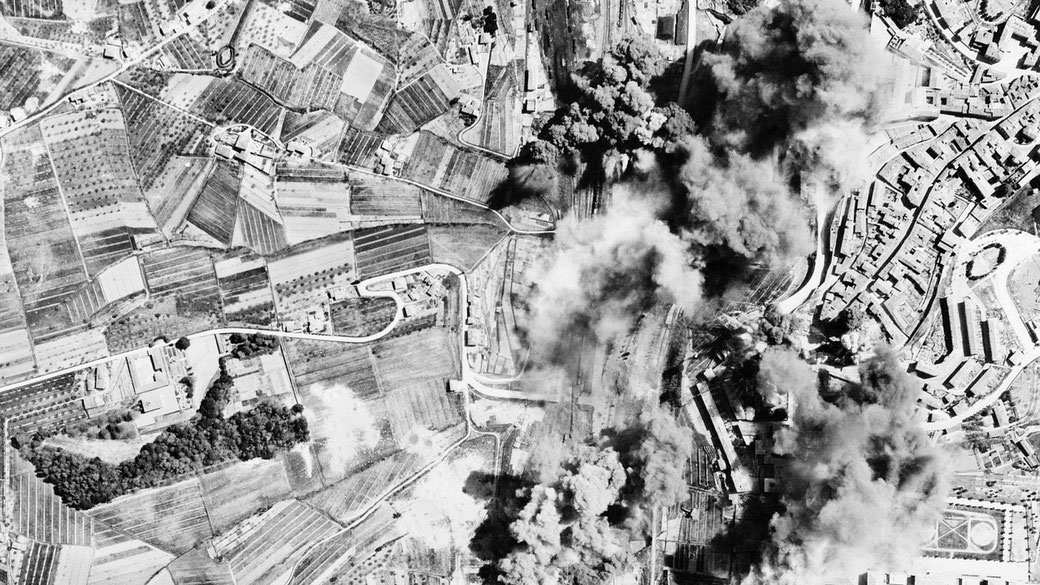
Between September 7, 1940, and May 11, 1941, German bombers launched frequent raids against British cities so that ports and factories in densely populated districts came under attack in an attempt to cripple morale and disrupt the war economy.
London endured 57 consecutive nights of bombing from 7 September to 2 November 1940, followed by occasional attacks until May.
By the end of the campaign, more than 43,000 civilians across the country had been killed. Liverpool, Hull, Birmingham, and Manchester also experienced severe attacks, with Liverpool suffering over 2,700 deaths and more than 11,000 houses destroyed.
Amid collapsed buildings and firebombed streets, a phrase entered the national vocabulary that suggested unity and resolve, in what later generations came to call the “Blitz Spirit.”
What was the 'Blitz Spirit'?
During this period, government agencies and the press regularly promoted a specific version of civilian behaviour.
They presented the public as disciplined and courageous, apparently unfazed by the destruction around them.
According to these accounts, everyday Britons often responded to chaos with quiet efficiency, and they largely refused to allow the Luftwaffe’s attacks to alter the rhythm of life.
Streets were cleared before dawn, shopfronts reopened by midday, and commuters stepped over rubble to catch their morning trains.
From the outset, public communications consistently urged civilians to adopt attitudes of self-control and patience.
The Blitz Spirit was not named as such at the time but referred to a collection of behaviours: self-sacrifice, humour under pressure, cooperation, and a firm commitment to daily routine.
For example, after the destruction of Coventry’s city centre in November 1940, government reports highlighted local determination rather than the full extent of the devastation.
At its core, the Blitz Spirit mainly emphasised restraint, in that people were encouraged to grieve quietly, to keep fear private, and to focus on duty.
Some found strength in this cultural expectation and responded with pride and purpose.
Others, however, struggled to fit in. Many who lost homes, family members, or their health faced pressure to maintain a cheerful exterior.
Letters and private diaries later revealed emotional strain that rarely matched the upbeat accounts seen in wartime newsreels.
Importantly, the idea that class barriers vanished during the Blitz formed part of the myth.
Official statements often described bombings as random, yet working-class districts took the worst damage, especially in East London, where overcrowded housing and limited access to shelters placed thousands at greater risk.
In Stepney and Poplar, the proportion of deaths far exceeded that of wealthier areas.
The official version of the Blitz Spirit obscured those differences by insisting on a national identity built on shared suffering, even though experiences varied widely between communities.
What did this look like 'on the ground'?
On a practical level, life under bombardment for most civilians required constant adjustment.
Every evening, blackout curtains turned cities into darkness, and air raid sirens sent people scrambling for shelter.
Some used garden bunkers that the government issued, while others relied on Underground stations or makeshift communal spaces in basements and school halls.
By 1941, approximately 2.1 million Anderson shelters had been distributed, though many turned out to be not enough during heavy raids.
Reports from Bethnal Green highlighted overcrowding and sanitation issues, along with ongoing ventilation problems in shelters, though the most serious disaster at that station occurred in 1943, after the Blitz had ended.
Nights passed in flickering candlelight as people tried to sleep beneath the noise of explosions and the vibration of collapsing buildings.
By morning, daily life in many neighbourhoods started again. Shopkeepers swept glass from footpaths and tram drivers steered past craters as children walked to school in uniforms patched by hand.
Firefighters and rescue crews worked throughout the night, then joined neighbours to save what they could from destroyed homes.
Men and women in the Air Raid Precautions service directed civilians to safety, monitored gas leaks, and retrieved bodies from the rubble.
By 1940, the ARP had more than 1.4 million volunteers across the country, whose efforts often filled the gap where government relief could not.
Occasionally, people found brief moments of normalcy, when families gathered around radios in shelters and told stories to distract children as they prepared meals from rationed supplies.
Public houses often became informal places of support that offered warmth, familiarity, and the comfort of routine.
On some nights, people danced, sang, or shared tea inside shelter tunnels so that they could reclaim a sense of humanity in the middle of destruction.
At the same time, signs of inequality and stress remained visible. Some districts received more rapid relief than others, and wealthier families were often able to relocate or build stronger shelters.
Government records included complaints about overcrowding and poor sanitation, along with uneven supply distribution, particularly in areas that faced repeated bombing.
Reports of looting increased significantly after major raids, and some offenders were prosecuted for stealing from damaged homes or shops.
Tensions occasionally flared between groups forced into close quarters without adequate provisions.
Many children evacuated from cities returned early due to illness, mistreatment, or loneliness, and their families resumed care under difficult circumstances.
For example, Operation Pied Piper had evacuated over 1.5 million people in September 1939, among whom were children with their mothers and teachers, yet thousands of children re-entered bombed cities within months.
Those separated from parents suffered from anxiety, while mothers who remained in bombed cities often carried the emotional load of trying to keep family life together with minimal resources.
Official accounts rarely acknowledged these hardships, instead mainly highlighting examples of bravery and perseverance that aligned with the desired image of national unity.
The role of government propaganda
To maintain civilian morale and prevent panic, the Ministry of Information used a wide communications plan that included a mixture of censorship and encouragement that relied on emotional tone.
The public received messages that largely focused on calm conduct and personal responsibility.
One early poster read, “Freedom Is in Peril. Defend It With All Your Might.”
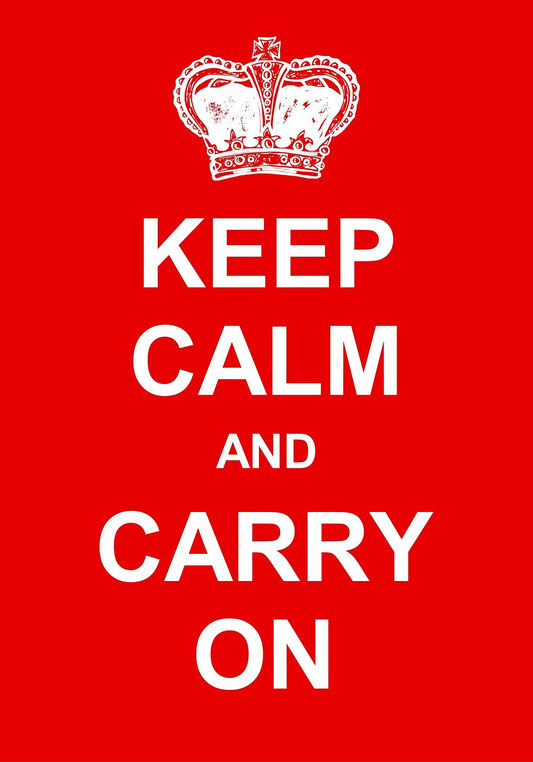
Another of these posters gained attention only decades later and instructed citizens to “Keep Calm and Carry On.”
Although around 2.45 million copies had been printed, the poster was held in reserve for a potential collapse in morale and was not widely displayed during the war.
The Ministry worked closely with filmmakers and radio producers, along with journalists, to ensure consistency in public messages.
Well-known propaganda films such as London Can Take It! presented images of calm courage, and they showed workers who smiled in bombed buildings and children who played near ruins, along with rescue workers who faced danger without complaint.
These images were carefully selected and tightly controlled and shaped public understanding of how citizens should respond.
Crucially, stories that revealed fear, protest, or despair were often removed from public view.
Churchill’s speeches became the emotional focus of this effort. His voice showed a mix of firmness and urgency with a touch of empathy, but his words always returned to themes of duty and survival.
He described the civilian population as brave defenders of freedom, urging them to remain steady under pressure.
His remarks helped turn individual hardship into collective action, reinforcing the idea that every sacrifice had national value.
Behind the scenes, censors worked with clear priorities. Reports that had detailed mass casualties or failure of infrastructure were revised or suppressed to stop people losing hope.
Letters that civilians had written showed growing frustration, but they rarely received public attention.
The Mass-Observation project was established to study public opinion and noted complaints and fear, along with resentment that often clashed with official optimism.
While officials used these findings internally to monitor morale, they stopped many of the negative reports from being shared with the public.
Even so, the narrative succeeded at least partly because it built on genuine behaviours. Many people did keep going, did help others, and did carry on.
Propaganda amplified those stories and cast them as standard conduct. Over time, this created a powerful idea of identity that blended reality and hope into one.
Its legacy
Following the end of the war, the idea of the Blitz Spirit in many ways became fixed in how Britain saw itself.
Schools often taught children that the population had faced its darkest hour with cheerfulness and resolve.
Films and memoirs worked alongside television dramas, and repeated familiar scenes of courage and endurance, and by the 1960s, the phrase had entered political language as a reminder of what the country had once achieved.
During later times of national stress, leaders spoke about the Blitz Spirit to appeal for unity and self-restraint.
Margaret Thatcher referenced it during the Falklands War, and in 2005, public figures recalled it following the London bombings.
The phrase almost became a shorthand for national strength, even when the problems of the moment differed significantly from those of 1940.
Yet scholars and survivors alike raised questions about how well the public myth matched actual experience.
While many people behaved with quiet bravery, others suffered mental collapse, acted out of fear, or simply did what they could to survive.
The idea that everyone shared the same values, or bore the same risks, hid differences in class and geography, as well as personal circumstance.