
The role of the Greensboro sit-ins during the fight for civil rights
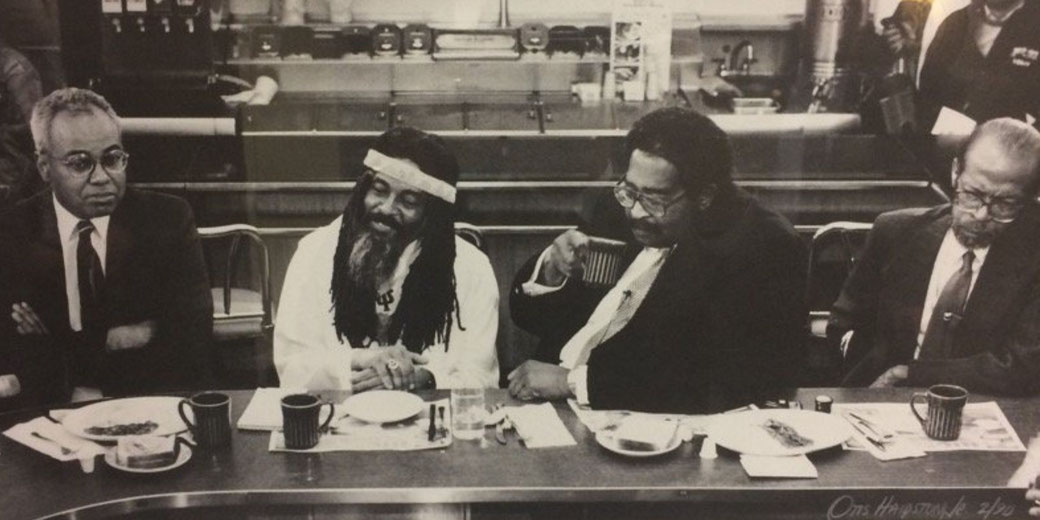
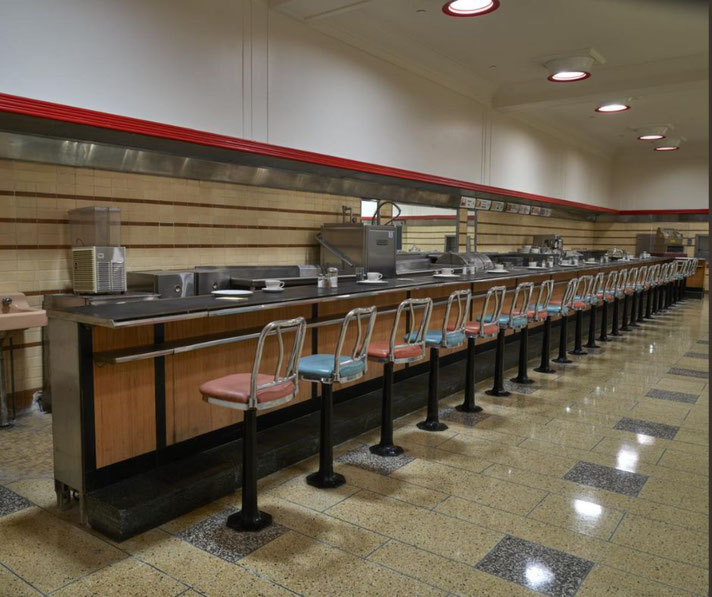
On the afternoon of 1 February 1960, four African American college freshmen entered the Woolworth’s department store in downtown Greensboro, North Carolina, and sat at a lunch counter that excluded Black customers under local custom and store policy.
They waited for service, were denied, and refused to leave. Within days, their simple act of defiance drew national attention and inspired hundreds of students across North Carolina.
Over the following weeks, thousands more across the South joined the growing wave of sit-ins. While the men spoke few words, their presence disrupted a social order that had defined Southern life for generations and forced white business owners and lawmakers, along with ordinary citizens, to confront the injustice they had long ignored.
Racial segregation in Greensboro before 1960
For many decades, Jim Crow laws across North Carolina had upheld segregation in public life, which restricted African Americans from using schools, restaurants, toilets, theatres, and transport on equal terms.
In Greensboro, Black residents could spend money in white-owned department stores but could not sit at lunch counters, use fitting rooms, or enter certain parts of the building.
Business owners who controlled shops and services had enforced these rules without resistance, and local officials who oversaw city policies had accepted them as part of everyday life.
Despite the 1954 Supreme Court decision in Brown v. Board of Education, which declared racial segregation in public education unconstitutional, Southern cities such as Greensboro had made very little effort to integrate other facilities.
The slow pace of school desegregation showed that court rulings alone would not break down the wider system of racial separation.
Many young African Americans increasingly saw the need for direct action that would expose the everyday humiliations they experienced.
At North Carolina Agricultural and Technical College, a historically Black university located just over two kilometres from Woolworth’s, a group of students had already begun to discuss how they could take action.
Influenced by the writings of Dr Martin Luther King Jr. and recent efforts in Montgomery and Baton Rouge, they decided to confront segregation when they went into a space that excluded them and said that they would not move until they received equal treatment.
The sit-in begins: February 1960
At about 4:30 p.m. on 1 February, Ezell Blair Jr., David Richmond, Franklin McCain, and Joseph McNeil entered Woolworth’s, bought small items to show they were paying customers, and then sat at the lunch counter. A
ll four were freshmen at North Carolina A&T, where they had often discussed the injustice of local segregation over late-night dormitory conversations.
They asked for coffee and waited quietly. Although the staff refused to give them any food or drink, the four men remained seated until closing time.
Most importantly, they did not shout, argue, or create a disturbance, and their self-control made their protest all the more powerful.
By the following day, a little more than twenty students had joined them at the counter.
As word spread among the city’s Black colleges, their numbers continued to grow and, by the end of the week, nearly three hundred students had taken part.
Some sat at the counter, while others supported the protest outside or helped coordinate behind the scenes.
The students maintained discipline because they dressed formally, brought books to study, prepared themselves for verbal abuse, and refused to respond in anger.
Reverend George Simkins Jr. was a well-known local dentist and NAACP leader who provided public support and helped spread awareness of the protest throughout the community.
Occasionally, white customers insulted them, threatened violence, or spat in their direction. Still, the students returned day after day.
By Friday, several white students from the nearby Woman’s College of the University of North Carolina had joined them in solidarity.
Local church leaders and members of the NAACP Youth Council also offered support and guidance, and they recognised that the students had captured the attention of the city and the press.
Photographers from The Greensboro Record and later The New York Times had documented the protest, and images soon appeared on television screens and newspapers across the country.
A movement spreads across the south
Within two months of the original sit-in, protests had taken place in more than fifty cities across nine Southern states.
Students in Durham and Charlotte launched similar campaigns, and protesters in Winston-Salem who watched these actions closely soon followed.
In the city of Nashville in Tennessee, students led a highly organised effort that pressured businesses to desegregate their lunch counters by May 1960.
Led by activists like Diane Nash and John Lewis, the Nashville movement included workshops on nonviolent resistance that helped train people who took part to endure abuse and arrest. Importantly, the methods remained peaceful and direct.
Protestors entered stores, sat at counters, and waited silently for service, knowing it would not come.
As the protests grew, financial pressure increased on local businesses. Many Black customers boycotted segregated stores that refused to integrate, and in some cases this led to sharp falls in income.
For example, some Woolworth's stores reported large losses, with some locations estimating declines of up to one-third.
Business owners faced a choice: uphold segregation and lose profits, or open their doors to all customers and risk backlash from white patrons who opposed integration.
Over time, a number of store owners quietly chose integration. On 25 July 1960, after months of demonstrations, the Greensboro Woolworth’s integrated its lunch counter by allowing four Black employees who had worked in the store for years to eat there.
No public announcement went with the change, but it showed a clear shift.
Formation of the Student Nonviolent Coordinating Committee
In April 1960, more than 200 student activists gathered at Shaw University in the city of Raleigh in North Carolina to discuss how to keep up the energy of the sit-ins.
The conference, which was held from 15 to 17 April and was partially funded by the Southern Christian Leadership Conference, drew students from across the region.
Guided by Ella Baker, a longtime organiser with the Southern Christian Leadership Conference, the students formed the Student Nonviolent Coordinating Committee (SNCC).
Unlike other civil rights organisations led by ministers or established figures, SNCC prioritised shared leadership and local community organising.
Baker urged students to form their own movement rather than rely on existing leaders.
SNCC activists focused on direct action and voter registration, and community-based protest became another central part of their work.
Although the sit-ins had sparked its creation, the group quickly took on more activities.
Within only a few years, SNCC members had joined the Freedom Rides and organised voter drives in Mississippi, and they also took part in marches across the Deep South.
Many of its leaders had started their activism by sitting down at lunch counters in 1960.
Impact on the wider Civil Rights Movement
The Greensboro sit-ins helped change the strategy and tone of the civil rights movement. Rather than rely on lawsuits or appeals to political leaders, the students used their physical presence to challenge unjust laws and social customs.
Importantly, their actions revealed the violence and unfair nature of segregation to the wider public.
Television cameras and newspaper photographers often captured images of calm, respectful students being taunted or dragged away by police, and these images reached millions across the United States.
National media outlets such as Life magazine covered the sit-ins and wider wave of student activism, which helped build support in the North.
Public support for integration slowly grew as northern newspapers regularly highlighted the courage of the students and questioned the morality of laws that allowed such discrimination.
Because they placed themselves at the centre of commercial activity and refused to be moved, the students forced cities to face their demands.
At the same time, the sit-ins expanded the idea of what civil rights protest could look like.
Lunch counters, libraries, theatres, parks, and bus terminals all became sites of resistance where protesters challenged segregation.
The sit-ins had proven that young people, without official positions or access to power, could change their society by refusing to accept unjust treatment.