
Cock-a-Doodle-DOOM: the Sacred Chickens of Ancient Rome and the risks of ignoring them
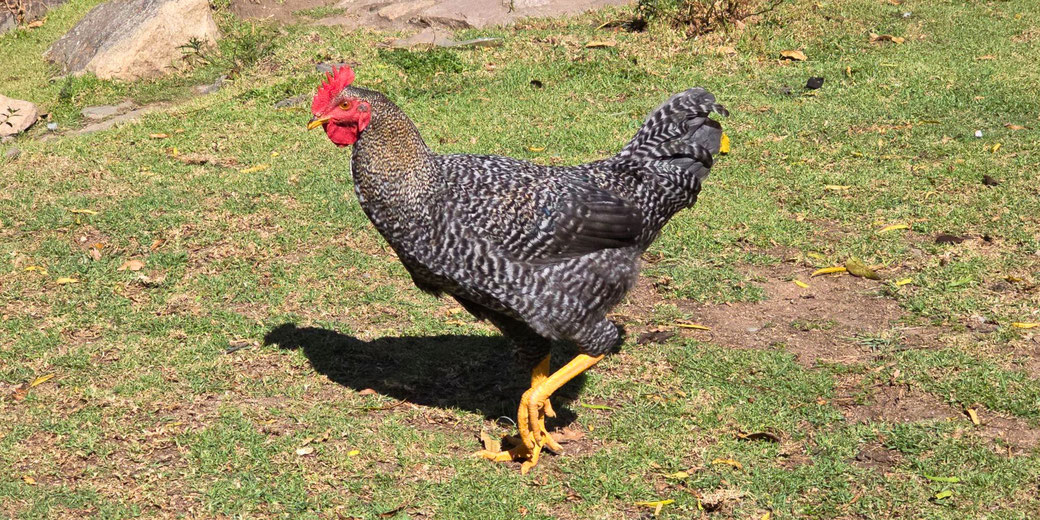
At dawn on the Sicilian coast in 249 BCE, Roman sailors prepared for a surprise naval strike while their commander hurled sacred chickens into the sea.
Publius Claudius Pulcher was consul of the Republic during the First Punic War and had rejected the birds’ warning that the gods disapproved of his planned attack.
Within hours, most of his fleet lay at the bottom of the sea or in Carthaginian hands. By his mockery of ritual and his defiance of tradition, Pulcher created one of Rome’s most famous cautionary tales about the dangers of religious hubris and military defeat.
The role of auspices in roman military decisions
In the Roman Republic, public action generally required approval from the gods.
Military campaigns, magistrate appointments, construction projects, and even political assemblies usually began only after the gods had been asked for their approval.
To obtain it, priests and augurs observed omens, usually the movement of birds, that they believed showed the gods’ will.
On land, augurs examined patterns in nature, such as the direction of a bird’s flight or the sounds it made during observation.
At sea, however, commanders often faced greater difficulty when they tried to read signs.
As a result, Roman fleets regularly carried sacred chickens in cages that were tended by a priest called a pullarius.
Before a major decision, the pullarius would scatter grain before the chickens. If they ate greedily and dropped pieces from their beaks, the omen was considered favourable.
If the birds refused to eat, moved slowly, or ignored the grain, the result was taken as a rejection from the gods.
Therefore, a general who proceeded without their approval acted at great personal risk, both militarily and politically.
The pullarius held formal religious authority within the army and his interpretations had to be obeyed.
By custom, obedience to religious ritual reinforced a commander’s right to lead.
The pax deorum, or peace with the gods, was widely regarded as essential for Roman victory.
A general who neglected religious warnings not only endangered his soldiers but also showed contempt for the traditions that bound Rome’s citizens to their divine protectors.
As a result, religious duty formed part of a commander’s authority and reputation.
Publius Claudius Pulcher and the chickens’ warning
In 249 BCE, the Senate appointed Publius Claudius Pulcher to lead a fleet to relieve pressure on the Roman siege of Lilybaeum, where Carthaginian resistance had apparently stalled Roman advances for years.
His objective was to launch a sudden assault on the Carthaginian harbour at Drepana.
Just before the attack, he ordered the chickens to be consulted. The pullarius reported that the birds refused to eat.
The omen, as outlined above, meant the gods disapproved of the operation.
Pulcher had descended from the Claudii, one of the most aristocratic families in Rome, who were known for their pride and patrician disdain for popular traditions.
However, at that moment, he displayed open disdain for the ritual. According to Valerius Maximus, he ordered the birds flung into the sea and scoffed that if they would not eat, they might as well drink.
Cicero later echoed this account in his writings, using it as an example of impiety.
Roman sources preserved the remark as a clear act of arrogance and sacrilege.
The Battle of Drepana and the consequences of disregard
Soon after, Pulcher led his fleet into the harbour at Drepana in an attempt to catch the Carthaginian navy off guard.
However, due to haste and poor coordination, the Roman ships arrived in a largely disorganised formation.
Carthaginian commander Adherbal was an experienced admiral from North Africa, and he reacted quickly and ordered his fleet into action with speed and discipline.
The result proved devastating. Roman ships had been crowded into the harbour, and they blocked each other’s movements and lost order.
Under pressure, the Roman fleet soon collapsed. The Carthaginian ships were better positioned and easier to manoeuvre, and they circled their opponents and picked them off one by one.
Roman marines were unable to board or defend effectively, and they were overwhelmed.
Out of the 120 Roman ships Pulcher had taken to sea, around 93 were captured or destroyed.
Carthaginian losses appear to have been minimal by comparison, and the victory helped them keep control of the western coast of Sicily.
The survivors limped back to Sicily in disgrace, and Pulcher returned to Rome under a cloud of shame.
For many Roman citizens, the defeat seemed to confirm what the omen had already warned: the gods had withdrawn their favour.
Pulcher’s mockery of the chickens transformed a military disaster into a religious scandal.
The Senate condemned him for impiety under religious law, and while he escaped harsher punishment due to his family’s influence, his career ended at that point.
He never held another command.
Symbolism and power in roman religious ritual
As Roman victories increased across much of the Mediterranean, generals continued to consult omens and uphold ritual, not out of habit, but to maintain the appearance of favour from the gods.
For example, Scipio Africanus was the victor at Zama and openly claimed that dreams and guidance from the gods shaped his actions.
Meanwhile, Julius Caesar was often sceptical in private, but he ensured that public ceremonies followed traditional rules.
Neither mocked the rituals, and both presented themselves as favoured by the gods.
Rituals that involved sacred chickens appear to have persisted into the late Republic, and omens were regularly consulted before battles in the Mithridatic Wars and Lucullus’ campaigns in Asia Minor.
Therefore, religious obedience often acted as both a political safeguard and a spiritual necessity.
When commanders consulted omens, they reminded the army and the people that Rome’s strength came from the gods who watched over them rather than from men alone.