
The epic adventure of Odysseus: A tale of gods, monsters, and one man's quest for home
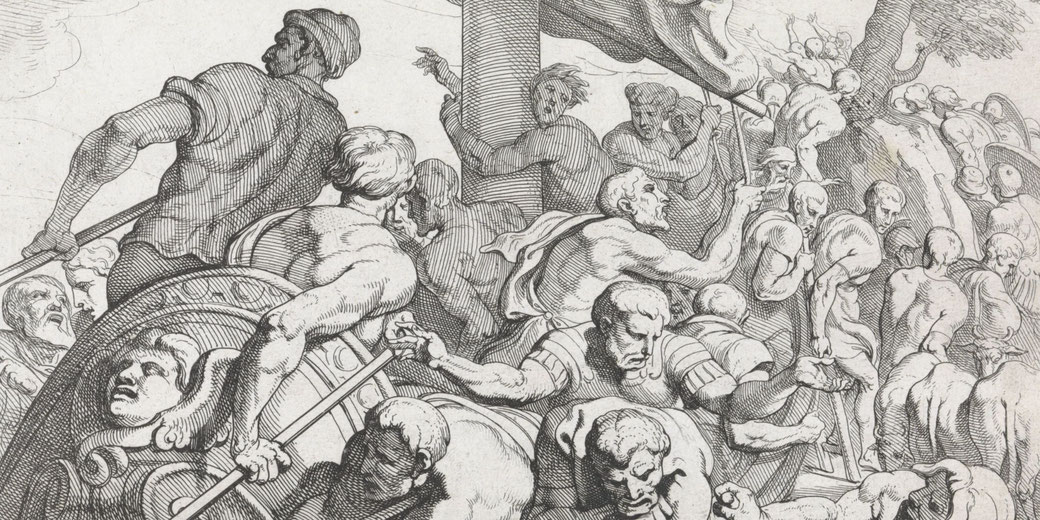
After the sack of Troy, Odysseus was king of Ithaca and sailed into a dangerous world ruled by the anger of the gods and ancient customs that were backed by the raw forces of nature.
Over the course of roughly ten more years, his journey brought him into conflict with vengeful gods and with enchanted islands that were haunted by monstrous creatures that threatened both his survival and his memory and purpose.
Each new shore showed another test of loyalty and of endurance that demanded cunning, while back in Ithaca, his wife Penelope fought to hold their kingdom together against suitors who believed her husband dead.
From troy to the open sea
After Greek forces had destroyed Troy with the deception of the wooden horse around 1180 BCE, Odysseus gathered his men and ships, and he hoped for a swift return across the Aegean.
He commanded a fleet that was still weary from war, but the voyage soon turned into a long trial of navigation and leadership under what the gods wanted.
Poseidon, angered by later events, made it clear that Odysseus’ path would be anything but direct.
Soon after departure, the Greeks raided the Thracian city of Ismarus, which was held by the Cicones.
Although they won the initial assault, their looting delayed their departure, and this delay allowed the Cicones to regroup and launch a counterattack that killed many men and forced the survivors back to their ships.
Next, they sailed into the territory of the Lotus-Eaters, whose fruit acted like a drug erased all desire to return home.
Odysseus acted quickly, dragging his affected men away from the shore and forcing them aboard before ordering an immediate departure.

Monsters, magic, and the punishment of the gods
Soon after, they reached the land of the Cyclopes, a savage race of one-eyed giants who, according to the story, lived apart from laws and community.
In search of food and supplies, Odysseus and his men entered the cave of Polyphemus, who trapped them inside with a massive boulder and began eating them two at a time.
After two days of horror, Odysseus tricked the giant by offering wine, claiming his name was “Nobody,” and waiting until Polyphemus passed out before driving a burning stake into his eye.
At dawn, the survivors escaped as they clung to the bellies of the sheep when the flock was let out of the cave.
As their ship pulled away, Odysseus shouted his true name in a moment of pride, which allowed Polyphemus to call upon his father Poseidon for vengeance.
Eventually, the Greeks reached Aeolia, which was described in Homeric poetry as a floating island where Aeolus, master of winds, took pity on their suffering and placed all dangerous winds in a sealed leather bag.
Some later writers associated Aeolia with the Aeolian Islands north of Sicily, though Homer does not fix its location.
After nine days of favourable sailing, Ithaca lay within sight. However, Odysseus’ men, suspecting treasure, opened the bag while he slept.
As a result, violent winds swept them back to Aeolia. When they begged for help again, Aeolus refused, declaring their voyage cursed by the gods.
From there, the fleet sailed into the land of the Laestrygonians, a man-eating race of giants who destroyed every ship except Odysseus’ own and devoured most of the crews.
The location of this episode is still uncertain, though later writers suggested that it probably lay somewhere in the western Mediterranean.
After they had fled once again, the survivors arrived at Aeaea, which was the home of the sorceress Circe.
Her spells had transformed half the men into pigs, but with guidance from Hermes, Odysseus resisted her magic and forced her to restore them.
Among the crew were Polites and Eurylochus, both of whom played key roles in the encounter.
He remained on her island for a full year before she instructed him to seek out the spirit of Tiresias in the Underworld, who alone could advise him on how to reach home.
The Sirens, the sea dangers, and the sun god’s curse
Soon after he left Aeaea, Odysseus sailed to what the Greeks imagined as the outermost reaches of the known world and offered blood sacrifices to summon the spirits of the dead.
Tiresias warned him to avoid harming the cattle of Helios and told him that even after reaching Ithaca, he would face more hardship.
Among other spirits, Odysseus spoke with his mother, Anticleia, who had died of grief, and he learned of the fates of former comrades such as Agamemnon and Achilles, who each told bitter truths about the cost of war and betrayal.
He also encountered the soul of Elpenor, who had died in a fall on Circe's island and begged for proper burial, a request that Odysseus later fulfilled to ensure the sailor's peaceful rest.
Once his crew resumed their voyage, they encountered the island of the Sirens, whose voices, according to the poem, lured sailors to destruction.
As he followed Circe’s advice, Odysseus plugged his men’s ears with wax and had himself lashed to the mast, so he could hear their voices without falling under their spell.
The plan succeeded, though he screamed and strained against his bonds as their tempting promises filled the air.
The Sirens sang of forbidden knowledge, claiming, "For we know all the toils the Greeks and Trojans endured on the wide plain of Troy."
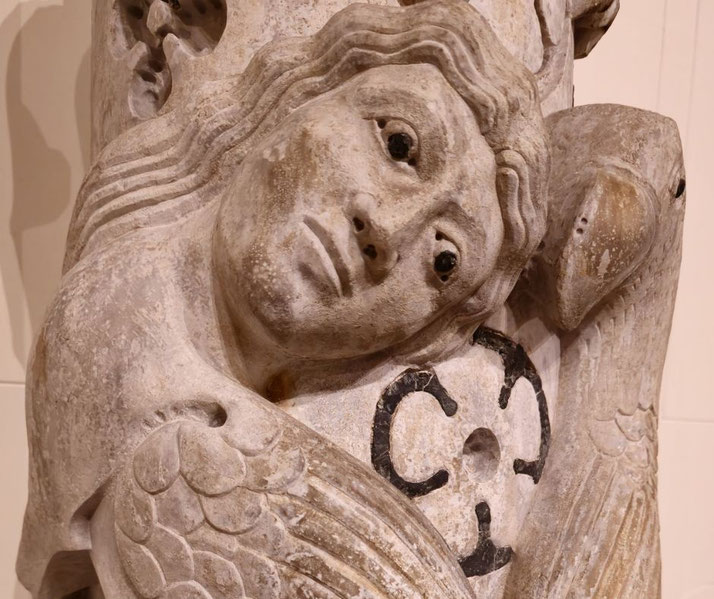
Soon after, they sailed into the narrow strait between Scylla and Charybdis. To the right, Charybdis lurked as a monstrous whirlpool capable of swallowing ships whole.
To the left, Scylla waited with six snapping heads, each one eager for flesh. After he followed Circe’s warning, Odysseus chose to steer closer to Scylla, and he accepted the loss of six men rather than risk his entire ship.
Later, they reached Thrinacia, the island that, in the story, was sacred to Helios and where grazing cattle roamed under the protection of the gods.
Odysseus had warned his men, but after weeks of hunger and rough weather, they slaughtered several beasts while he slept.
Helios demanded retribution, and Zeus responded by sending a storm that shattered their vessel and drowned the entire crew.
Only Odysseus survived, and he clung to debris for nine days before he reached the island of Ogygia.
Captivity, rescue, and the return to Ithaca
Calypso was an immortal nymph who, according to the Odyssey, found Odysseus washed ashore and took him into her cave, where she offered him comfort and promised to make him ageless if he remained with her.
Still, each day, he walked the shoreline and wept for his lost home. For seven years, he endured this captivity until Athena intervened.
Zeus sent Hermes to deliver an order from Zeus to release him, and Calypso reluctantly obeyed.
After he had built a raft, Odysseus launched into the sea once more.
Not long after, Poseidon stirred another storm that broke his raft apart and nearly drowned him.
Only with the aid of the sea goddess Leucothea, who gave him a magical veil for protection, did he survive.
He eventually reached Scheria, which was the land of the Phaeacians, where Princess Nausicaa found him naked and exhausted on the beach.
She provided him with clothing and careful instructions for winning the favour of Queen Arete, her mother.
Her father, King Alcinous, received him warmly and listened as Odysseus told the entire story of his wanderings.
The Phaeacians felt moved by his tale, so they agreed to take him home and quietly delivered him to Ithaca while he slept.
The vengeance of Odysseus
When he awoke on the shore, Odysseus found himself disguised by Athena as an old beggar.
He made his way to the hut of Eumaeus, who was the swineherd who had remained loyal throughout the years.
Telemachus was his son and soon arrived from the mainland, and father and son embraced in secret. Together, they formed a plan to retake the palace.
At that time, Penelope delayed any decision to remarry, claiming she would choose a new husband only once she finished weaving a burial shroud.
She had secretly unravelled her work each night to postpone the choice. Once the deception had been exposed, she promised to marry the man who could string Odysseus’ bow and shoot an arrow through twelve axe heads.
After each suitor had failed the test, the beggar stepped forward, strung the bow without difficulty, and completed the shot.
Immediately, he announced his identity. Telemachus and two loyal servants barred the doors and armed themselves.
Together, they slaughtered the suitors in the hall so that they could take revenge for their crimes.
The disloyal maidservants were also punished, and calm returned to the household.
Later, the suitors' spirits drifted to the Underworld, where they recounted their fate to Agamemnon, who praised Penelope's fidelity.
Still wary, Penelope tested the man who claimed to be her husband by ordering their bed to be moved.
Odysseus objected, explaining that one leg of the bed had been carved from a living olive tree and could not be shifted.
At that moment, she embraced him, knowing at last that her husband had returned.
Their reunion confirmed both their love and the unbroken foundation of their marriage and household.
Endurance, identity, and the heroic ideal
Homer’s Odyssey was probably committed to writing in the late eighth century BCE after generations of oral storytelling and captured more than a physical journey.
It traced the costs of disobedience and the danger of forgetfulness as it followed the strength of one man’s will to return home.
Odysseus was a skilled warrior and survived through intellect and an ability to adjust that was sustained by endurance instead of brute force.
His name became synonymous with cleverness and determination, especially for many who believed that strength alone did not determine greatness.
As he confronted gods, monsters, temptations, and betrayals, Odysseus showed himself to be a man who remained unbroken by disaster rather than as a flawless hero.
His loyalty to Penelope and Ithaca never vanished, even as years passed and crew after crew died around him.
Each test, whether in the cave of a Cyclops, the bed of a goddess, or the blood-soaked hall of his own palace, required him to hold fast to who he was.
His return brought peace to his house, but more importantly, it restored his name and fulfilled the promise he had made to himself across twenty years of storms and loss that drove him into constant wandering.
In the final episode, Zeus instructed Athena to end the conflict, and she enforced his command by restoring peace to Ithaca.
The tale of nostos, or homecoming, reached its final harbour.
