
Average life expectancy in ancient Rome: Living and dying in the Roman Empire
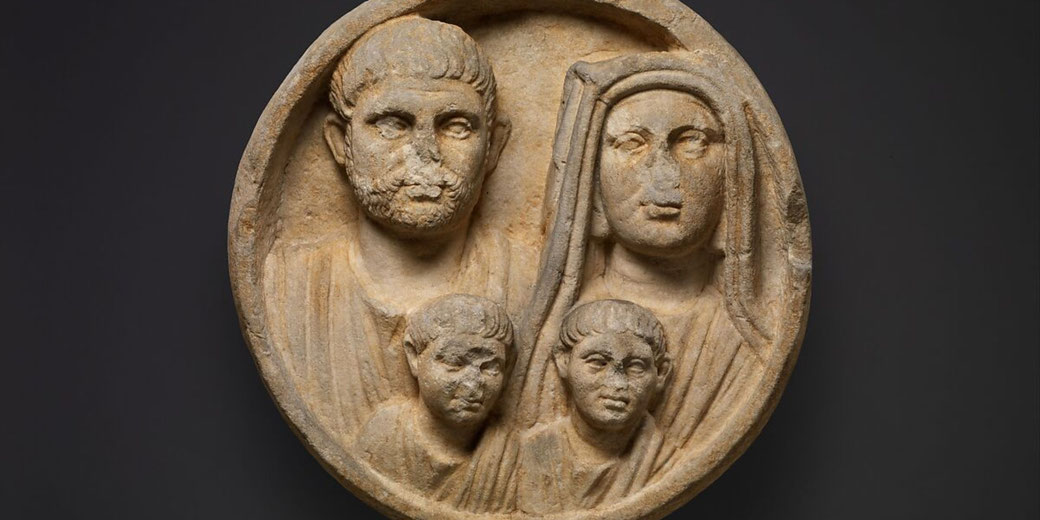
Across much of the Roman Empire, life expectancy at birth rarely exceeded around thirty years, and death often came without warning for ordinary people.
Emperors regularly issued edicts and generals often marched to distant provinces. At the same time, most people faced constant risks from illness, childbirth, accident, and malnutrition.
Evidence from tomb inscriptions and census records works together with medical writings and has allowed historians to work out, in broad terms, what everyday life and death were like for different groups of Romans.
The outcomes had varied sharply according to age, class, gender, and location.
Childhood and infant mortality
At birth, Roman infants entered a world filled with danger. Infant mortality rates had stayed very high, with probably more than one in three children dying before reaching their first birthday.
Diseases spread rapidly inside cramped urban homes, where families lived without knowledge of infection control or reliable sanitation.
Conditions in rural areas, which often involved limited access to clean water and seasonal food shortages, had often provided no safer option and placed newborns at constant risk.
After infancy, many children continued to die before their teen years. By age five, estimates suggest that nearly half of all children had already died, often from stomach and intestinal infections, chest infections, or problems from untreated injuries.
Girls in poorer households, in particular, sometimes faced neglect or abandonment that adults carried out on purpose.
The legal custom of expositio allowed parents to abandon infants without punishment, and unwanted daughters remained the most frequent victims.
In such households, decisions about infant survival had often come from limited food and chronic overcrowding, along with social expectations about marriage and dowries.
To mark survival past the first few days, families often waited until the dies lustricus that people held around the eighth day for girls and ninth for boys, before they gave the child a name and officially welcomed them into the household.
Until then, death was expected rather than exceptional. Those who survived into their teenage years had a much better chance of reaching adulthood, though they still remained at risk of infection and malnutrition, as well as accidental injury.
Adult life and disease
By early adulthood, many Romans had already witnessed the deaths of siblings, neighbours, or parents.
For those who lived beyond their teens, disease continued to pose the greatest threat.
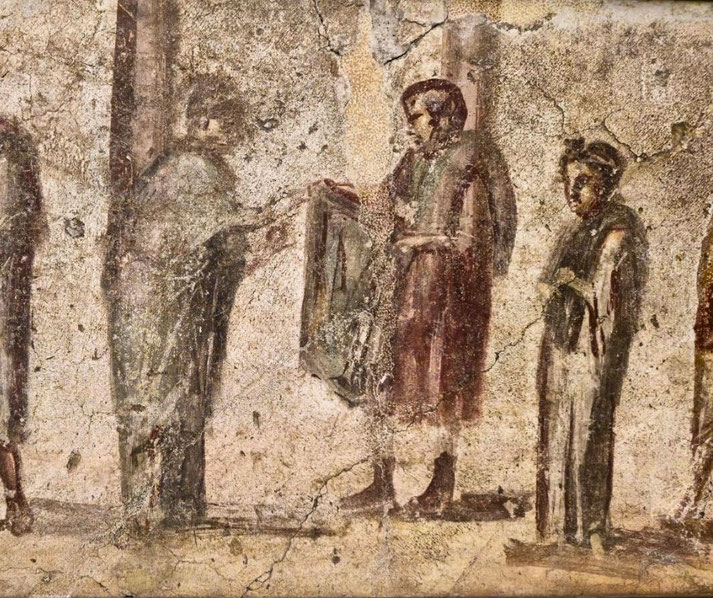
Ancient physicians such as Galen and Celsus described treatments for fever, dysentery, or wounds, but most lacked effective remedies.
Even minor injuries could turn fatal, since the absence of antiseptics and antibiotics allowed infections to spread unchecked.
In Roman towns and cities, crowded streets and open drains, together with shared facilities, provided almost ideal conditions for illness to spread.
Diseases such as tuberculosis and malaria, which often lasted for many years, continued throughout much of the Empire, particularly near marshlands or coastal plains.
Also, infections caused by poor food hygiene and contaminated water killed many adults each year.
Medical texts show knowledge of patterns of illness but provide little evidence of successful cures.
On average, modern demographic models suggest that life expectancy at birth sat between about 25 and 30 years, though estimates vary.
However, that figure hides the larger pattern. Once someone reached the age of twenty, they often lived into their forties.
Still, the risk of death never went away. Among women, childbirth remained one of the most dangerous experiences in their lives, and the absence of trained specialist care for pregnancy and birth meant that many mothers died from problems that could have been survivable with modern medical help.
Midwives had provided assistance during labour, often with a lot of experience, but they worked without sterile instruments or pain relief and frequently encountered problems that no training could overcome.
Class, wealth, and survival
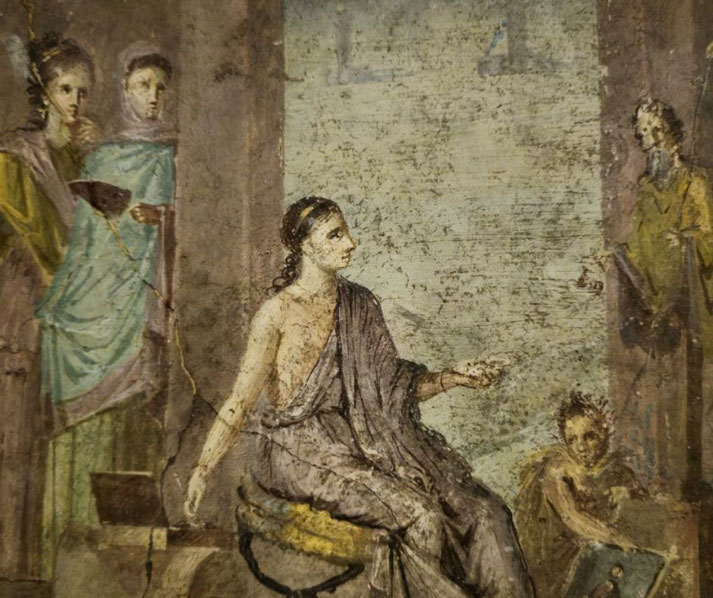
Among wealthier Romans, access to private physicians and cleaner food, along with more secure housing, had generally allowed longer lives.
The rich typically lived in stone-built homes with tiled roofs, a supply of water, and private latrines, which limited exposure to disease.
Their diets included a wider range of food such as fish, fruit, oil, and wine, and their tomb inscriptions sometimes recorded lifespans of more than seventy years.
Such examples, however, came from a small wealthy minority and may have involved exaggeration.
By contrast, the poor often lived in overcrowded tenement blocks that lacked fresh air and basic safety.
Fires and building collapses frequently killed tenants. Also, their limited diet of coarse bread and porridge, with beans as a small extra, provided too little nourishment.
Without medical care or sanitation, illness spread rapidly, and only a small number of people survived repeated infections.
In rural areas, labourers and tenant farmers, who carried out farm work that involved long hours in severe weather and constant risk from tools or animals, fared little better.
Slaves typically endured even harsher conditions. On farms, in mines, or in quarries, they usually faced very hard work and corporal punishment, alongside extremely poor nutrition.
Legal texts treated slaves as property, and owners often viewed their deaths as financial losses rather than human tragedies.
As a result, few enslaved people reached old age. Even household slaves who lived in wealthier homes remained exposed to disease and injury.
Public health and urban hazards
Within Roman cities, building conditions and the environment around them often sped up the spread of disease.
Streets often overflowed with waste from humans and animals, and seasonal rains often failed to clear the piled-up rubbish.
People used public toilets with shared sponges and rarely washed hands. As a result, intestinal parasites and bacterial infections flourished, especially during warmer months when rot and decay increased.
Water, which reached the city in large quantities thanks to aqueducts, often became contaminated before reaching fountains and storage tanks.
Public wells and troughs, which provided water to entire neighbourhoods, often suffered contamination from nearby cesspits.
Roman authorities sometimes issued rules about street cleaning and waste disposal, but enforcement varied widely and lacked consistency.
In addition to disease, urban life involved numerous physical hazards. Tiles dislodged from rooftops injured pedestrians, unstable upper floors of insulae collapsed, and narrow alleys hampered escape during fires.
Even places for entertainment often presented dangers. Amphitheatres and baths, which many Romans saw as socially important, exposed visitors to unsanitary conditions.
Warm water and communal utensils allowed the rapid spread of skin diseases and eye infections, and physicians warned of bath-related illnesses with limited success.
The rarity of old age
Old age rarely occurred and received public praise when it did, and Romans had viewed it as a reward granted to the virtuous, not a standard life outcome.
In writings by philosophers, old age often appeared as a time for reflection and reduced ambition.
Cicero’s De Senectute presented old age as appealing, but his views did not match the physical reality for most of the population.
Some tomb inscriptions recorded lifespans of more than seventy years for particular individuals.
However, the truth of those claims was often doubtful. Census records from Egypt, where the best-preserved Roman data exists, show that often fewer than five per cent of the adult population lived past sixty, and in some samples the figure reached as high as eight per cent.
Among Roman soldiers, tombstones often recorded deaths between thirty and forty years of age, and such inscriptions recorded deaths during active service rather than the full length of a military career.
The pressure of long marches and camp diseases, together with exposure to weather conditions, shortened many lives.
Even generals and senators, who lived with privilege and protection, often died before reaching what modern societies would consider retirement age.