
Hastatii, principes, and triarii: How the armies of the Roman Republic trained and fought
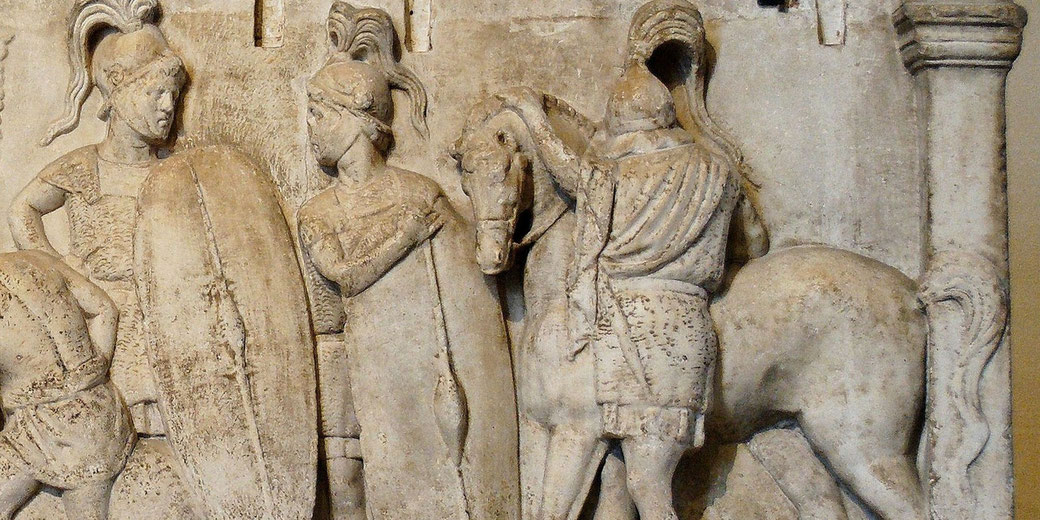
From the mountain passes of Samnium to the open plains near Cannae, Roman armies often relied on a distinct internal structure that allowed them to fight across varied terrain and recover from costly defeats.
As Rome changed from a regional power into a Mediterranean power, it increasingly depended on legions composed of citizen soldiers whose age and wealth, along with battlefield experience, helped determine their battlefield roles.
The hastatii and principes formed the core of this system, with the triarii, who held the rear. Their coordinated actions across multiple lines of engagement allowed Roman commanders to preserve order and apply sustained pressure so that they could regain control in moments of crisis.
Origins of the manipular legion
After the Samnites had imposed a humiliating peace at the Caudine Forks in 321 BCE, Roman leaders reorganised their legions to address the limitations of the traditional phalanx.
The result was the manipular system, which divided the army into tactical blocks that contained around 120 men and staggered them in a checkerboard formation across three lines.
Hastatii and principes maniples typically included 120 men each, while the triarii maniples were smaller, and they usually numbered around 60 men.
Each maniple could move independently and adjust to uneven terrain, and it still supported neighbouring units without creating confusion.
The system responded directly to the need for flexibility in Italy’s hilly interior, where dense formations often failed to manoeuvre effectively.
By the time of the Second Samnite War (326–304 BCE), this structure had largely become the standard arrangement for Rome’s field armies.
To assign soldiers effectively, Roman officials grouped infantry according to both their wealth and their years of service.
Younger men with limited funds usually joined the hastatii, who fought in the first line.
Slightly older and more experienced men typically filled the positions among the principales, while veterans with decades of service generally stood at the rear as the triarii.
The youngest and poorest citizens who could not afford heavy armour took their place as velites and acted as skirmishers before the main engagement began.
Each legion included a changing number of velites, who often numbered around 1,200, though this figure could vary according to the size of the legion and the conditions of recruitment.
They usually wore minimal armour and carried several light javelins, which were often referred to as veruta, along with small shields and animal-skin crests on their helmets.
The three-part division ensured that legions took most of the fighting in layers, with each line ready to relieve the one before it.
In total, the legion typically consisted of thirty maniples, ten for each line of heavy infantry, and the total often ranged between 4,200 and 5,000 men, a figure that changed from one period to another.
The hastatii: Rome’s first assault line
The hastatii, who were typically in their early twenties, entered battle with energy but little combat experience.
As part of their role, they trained extensively to fight in loose formations that suited quick movement and sudden attacks.
Armed with two pila, designed to reduce the chance of reuse so that in some cases they bent on impact, and the short stabbing sword known as the gladius, they tried to weaken the enemy line before engaging in close combat.
Not all pila bent on contact, but many were made with soft iron shafts that deformed when they struck a shield, which made them difficult to reuse.
To protect themselves, they carried the large scutum shield and wore bronze helmets, often decorated with horsehair crests, together with either a mail shirt or a hardened leather breastplate.
Importantly, training for the hastatii focused on weapons handling and shield use, together with carefully planned unit advances.
They practised exact movements as they rotated between marching drills and practice battles that stressed control and discipline.
Training often included the use of wooden training swords and heavy wicker shields to build endurance and technique.
When battle began, the velites had already launched their missiles and withdrawn so that the hastatii could advance.
If they failed to push the enemy back or suffered heavy losses, they retreated through the spaces in the lines so that the principes could take their place while keeping the flow of the fighting.
At battles such as Sentinum in 295 BCE, the hastatii formed the opening wave against the Samnites and Gauls, and they absorbed the initial contact and set the direction of the engagement.
The principes: backbone of the legion
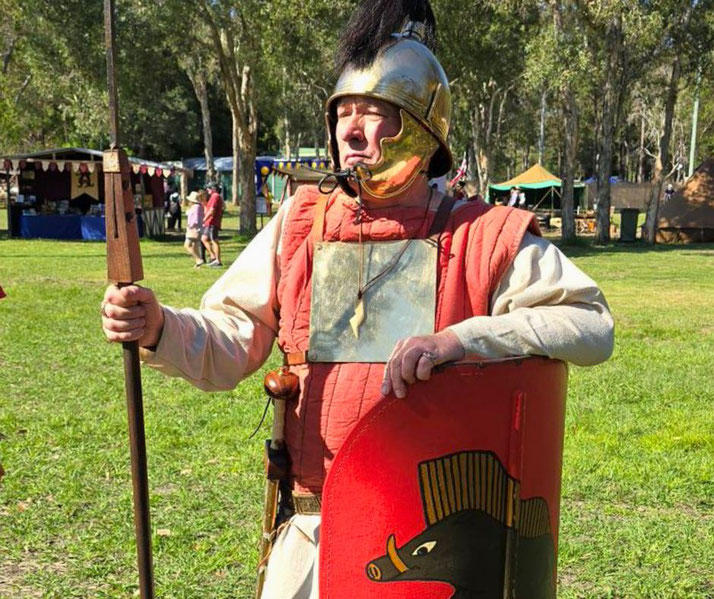
Often aged in their thirties, the principes combined physical strength with the experience of earlier wars.
Unlike the hastatii, they carried more expensive equipment, including chainmail and reinforced helmets, and they maintained a steadier pace in battle.
While many wore lorica hamata, some relied on scale armour or hardened leather, depending on availability and wealth.
Their role focused on grinding down resistance through pressure and tight coordination supported by strict discipline rather than on overwhelming the enemy quickly.
They also carried pila, although some replaced them with spears, and they fought in formations designed to hold the line or press forward steadily once the first wave had tested the enemy.
During training, the principes drilled in formation retention and field manoeuvres that responded to battlefield developments.
They learned how to plug gaps in the line and rotate with nearby units so that they could stay together under stress.
Crucially, they responded to orders more quickly than younger troops and operated with greater independence.
Once committed, they often turned the balance of the battle because they locked the enemy in place, forced retreats, and created openings for auxiliary cavalry or maniples on the flanks to exploit.
Their maturity reinforced the army’s cohesion at critical stages of combat.
The triarii: veterans of last resort
The triarii, who were usually in their forties or fifties, had fought in multiple campaigns and earned honour through their survival and discipline, together with a calm response under pressure.
Unlike the other heavy infantry lines, they did not carry pila but instead wielded long thrusting spears (hastae), which allowed them to form dense, spear-pointed formations when required.
Their shields were similar to those of the principes, although some may have carried slightly lighter oval versions.
Their methods mainly focused on holding ground and stopping heavy blows from enemy advances.
They knelt behind the front lines during most of the battle, waiting for the signal to rise and intervene only if the situation became very serious.
Although they fought rarely, the triarii trained with equal intensity, and they learned to move into position quickly and restore order so that they could form a solid wall of resistance if the other two lines had failed.
When commanders committed them, the army’s fate often rested in their hands.
Their advance sent a clear signal that the enemy had reached the final defensive line, and their presence often inspired the remaining soldiers to regroup or make a final stand.
Their experience and steadiness prevented panicked retreats and gave generals a final tool for restoring control.
The Roman expression "ad triarios redisse" ("it has come to the triarii") entered common usage as a reference to situations of last resort.
Training and discipline in the Roman camp
Inside the Roman marching camps that generally followed a strict rectangular layout with designated zones for sleeping and cooking along with separate areas for drilling and command, training continued daily regardless of the campaign’s stage.
On most mornings, soldiers performed physical exercises and weapons training, together with regular tactical drills that reflected the army’s emphasis on readiness and obedience.
According to Polybius, especially in Book 6 of his Histories, this constant preparation ensured that no unit grew overconfident, even after units had carried out long marches or had endured periods of inactivity.
More than physical preparation, training reinforced each soldier’s sense of belonging to the group and the unity of the unit, which proved essential when facing unexpected events in battle.
During weapons drills, soldiers practised how to throw the pilum at targets that stood in for shielded enemies, and they then carried out rapid advances with the gladius for controlled stabbing attacks.
They learned how to use the scutum to deflect blows and maintain position within their formation, and meanwhile, marching drills required soldiers to cover long distances in full kit so that they maintained pace and order across varying terrain.
Centurions enforced discipline during these exercises and ensured that training remained consistent and rigorous.
Punishments for failing to follow orders, breaking formation, or displaying cowardice reinforced the habit of discipline, while public rewards recognised valour and endurance, along with loyalty to the legion.
Tactical deployment on the battlefield
When deployed in combat, Roman legions typically arranged their maniples in three main lines with alternating gaps that allowed units to rotate, withdraw, or reinforce without disruption.
As the velites began the skirmish phase, they targeted enemy formations with ranged attacks before retreating behind the hastatii.
The first line advanced in coordination, using their pila to throw the enemy into disorder before closing in.
Once engaged, the hastatii aimed to break the line, but if they met resistance, they pulled back through the intervals and allowed the principes to assume the front.
As the second line pressed forward, it either forced the enemy back or absorbed long periods of combat, depending on the resistance encountered.
Commanders issued orders through trumpet calls and raised standards, together with shouted signals, which the soldiers had memorised during training.
If the principes could not achieve victory, the triarii rose and moved to the front.
Their dense formations and long spears halted charges and deflected cavalry, then held the enemy in place.
This final deployment did not always lead to a rout but often enabled commanders to regroup or conduct a carefully planned withdrawal.
At Cannae in 216 BCE, where Hannibal's surrounding attack had destroyed much of the Roman army, some triarii may have continued to resist in small groups, although ancient sources do not provide a clear account of their actions.
Because they relied on a command structure with several levels and clearly defined battlefield roles, Roman generals could react to terrain changes and enemy movements, as well as problems inside the army, without losing cohesion.
The maniples allowed adjustment without disorder, and each infantry line knew both its own purpose and the timing of its engagement.
As such, the manipular system created flexibility and also gave Roman armies an ability to absorb failure and still recover the initiative.