
How the Incas built a vast empire in the Andes
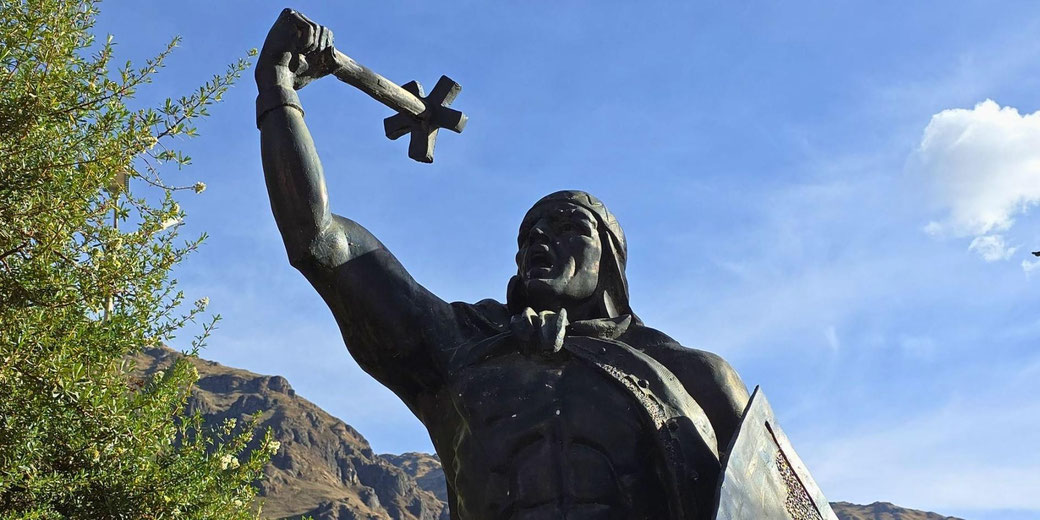
The Inca Empire existed in South America from the early 13th century to the late 16th century, and it was the largest empire in the pre-Columbian Americas.
Its rapid expansion was largely due to its powerful military and strategic alliances, as well as the leadership of its rulers.
Early Expansion (1200s - 1438)
The Inca Empire began in the region around Cusco, which is a city in modern-day Peru.
The early Incas were just one of many small tribes in the region.
However, under the leadership of their early kings, they began to expand their territory.
By the early 1400s, the Incas had control over the Cusco Valley and had started to push their boundaries further.
The Reign of Pachacuti (1438 - 1471)
Arguably, the real turning point in Inca military expansion came during the reign of Pachacuti.
He became the ninth Sapa Inca (emperor) in 1438 and proved to be a visionary leader as well as a brilliant military strategist.
He had first consolidated power within the Cusco Valley, which ensured a secure base for further expansion.
He reorganised the Inca army, which made it more efficient and formidable. Under his leadership, the Incas conquered many neighbouring tribes and regions.
After this, he embarked on a series of conquests that expanded the empire’s reach into the Andes Mountains and the coastal regions of present-day Peru.
Notable victories included the defeat of the Chanca people, which cemented his reputation as a formidable leader.
By the end of his reign in 1471, Pachacuti had established the Inca Empire as a leading force in the region, which laid the groundwork for future expansions under his successors.
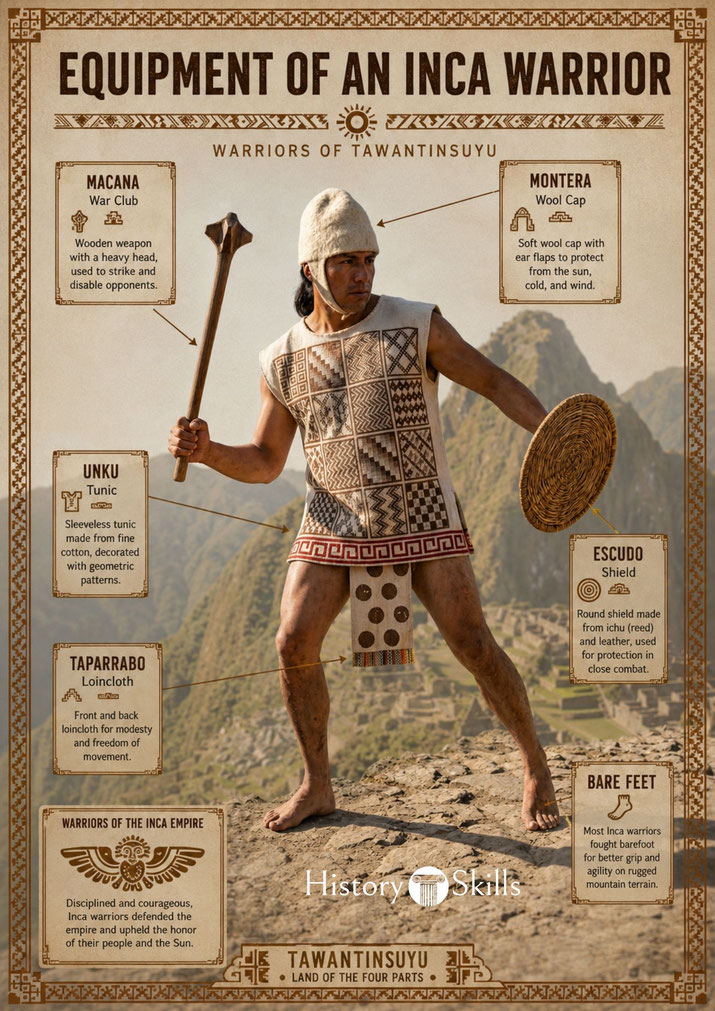
Continued Expansion (1471 - 1527)
After Pachacuti, his son Tupac Inca Yupanqui took the throne in 1471 and continued his father’s record of military conquests.
Under Tupac’s leadership, the empire expanded north into present-day Ecuador and south into present-day Chile.
By the time of his death in 1493, the Inca Empire had become arguably the most powerful state in the Andes.
His successor was Huayna Capac, who further expanded the empire until it reached its largest extent under his rule.
By the time he died in 1527, the Inca Empire stretched from southern Colombia to central Chile, which made it one of the largest empires in the world at the time.
However, the sheer size of the empire also brought challenges. As the Incas expanded, they had to manage different cultures and languages, as well as varied terrains.
They were generally successful in integrating many of these regions. Some areas, however, continued to resist.
The Inca Empire became particularly well known for its administrative skills. It used the Quechua language as well as the mita labour system to integrate conquered peoples.
The Inca Empire’s military expansion is a remarkable chapter in history. In just a few centuries, they had transformed from a small tribe into a sprawling empire, thanks to their military skill and strategic alliances, as well as their visionary leaders.
